Vets: Move Fireworks From Backyards to Licensed Public Displays
With fireworks on sale from today and the election five days away, the NZ Veterinary Association says the issue deserves another look.
 increase font size
 NZVA chief executive Kevin Bryant.
Vets say they support the responsible use of virtual fencing and virtual herding technology for cattle and wants to work with farmers, manufacturers and government to help shape standards for future use backed by ongoing research to strengthen animal welfare outcomes.
NZVA chief executive Kevin Bryant says virtual fencing is already delivering benefits on some New Zealand farms, including greater flexibility in pasture management, environmental protection, and reduced reliance on physical fencing.
"Our members working with dairy farmers are already seeing many of these positive benefits.
"The focus now should be on future proofing this technology by ensuring animal welfare remains at the centre of its development, regulation, and use."
The NZVA believes veterinarians have an important role to play in supporting farmers as they adopt new technologies, by carefully selecting which farms and animals will benefit from using the technology, helping ensure animals are appropriately trained, monitored, and managed to achieve the best welfare outcomes.
"Virtual fencing has significant potential, but that potential must be supported by strong welfare safeguards and robust standards. Farmers, technology providers, regulators, and veterinarians all have a role to play in ensuring the technology is designed and used responsibly."
While current research indicates cattle can learn to respond to audio and vibration cues, reducing the need for electrical stimuli over time, the NZVA supports continued independent research to better understand long-term welfare outcomes and ensure standards evolve alongside the technology.
"Virtual fencing is becoming an important part of modern livestock management. The NZVA wants to be part of ensuring its future development is guided by robust science, practical farming experience, and a commitment to high standards of animal welfare."
With fireworks on sale from today and the election five days away, the NZ Veterinary Association says the issue deserves another look.
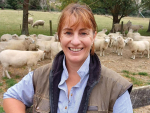
B+LNZ's Wormwise veterinarian Mary Bowron has won the Best Sheep and Beef Vet of the Year Award in recognition of her outstanding contribution to New Zealand’s sheep and beef sector.
Equine veterinarians say horse owners need to stay alert and communicate with their vets following an outbreak of the highly contagious bacterial disease Strangles in the North Island.
Animal owners can help protect life-saving antibiotics from resistant bacteria by keeping their animals healthy, says the New Zealand Veterinary Association.
Around 97% of New Zealand pet owners value the care provided by their vet teams, but the broader contribution of animal health professionals to society often goes unseen, a new study has revealed.


Dunedin-based company MastaPlex, which provides on-farm mastitis diagnostic platform globally, has named a new independent director.

An independent importer says National’s fertiliser security policy will only work if protects all players.
Nesting birds are behind around $1.2 million worth of tractor fire claims every year, according to rural insurer FMG, which is urging farmers to check under the bonnet before starting work.
Having Ravensdown as the naming rights sponsor of the Canterbury A&P Show demonstrates their confidence in the show as a long-term venture, says Canterbury Agricultural and Pastoral Association (CAPA) board chair Sir David Carter.
OPINION: As election day looms, rural NZ seems to have pressed the pause button – held somewhat in limbo on an orange light.
Will drones be the answer to tackling the problem of wasp and hornet nests high up in trees and other inaccessible places?