SWNZ Strengthens People Pillar for Global Markets
With ethical employment practices a "hot topic" in key markets, Sustainable Winegrowing New Zealand (SWNZ) is strengthening its People Pillar.
 increase font size
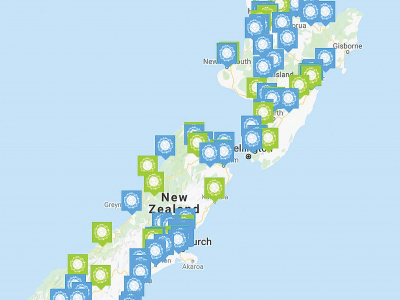 The blue pins indicate workers and the green pins available jobs.
Four years ago, Sharon and Wayne George decided they would quit the corporate rat-race to travel New Zealand in their nine-metre motorhome.
They hit the road in late 2018, intending to travel and pick up seasonal work such as fruit picking along the way.
But it wasn’t as easy as they thought, and they came across many others in the same boat, typically ‘grey nomads’ and tourists looking for seasonal work, income and somewhere to park the motorhome.
The Georges came up with a solution: Seasonal Staff NZ (SSNZ), a website-based business that helps would-be workers find jobs and employers to advertise for workers.
SSNZ is a membership-based firm with a database that brings both parties together via an interactive map accessed on the website. Blue pins indicate workers, green pins show where the jobs are.
Workers can look for jobs as they travel. Employers can see where workers are located, and the site’s software enables the employers to sort the workers by experience, skills and attributes, or by potential start dates.
Would-be workers can look for jobs without focussing solely on pay rates, and they can note other possible benefits, eg accommodation available, powered parking for motorhomes or camper vans, kitchen/bathroom facilities and wi-fi connections. This means hourly pay rates are not the ‘main thing’ in employers’ quests for good staff.
Businesses typically know their peak staffing numbers, so they can plan and advertise jobs in advance, showing opportunities by location.
SSNZ’s annual employer membership fee is $199 + GST per year/per location for businesses looking for 1-50 staff. (Other job boards typically offer only 30 days advertising.)
With ethical employment practices a "hot topic" in key markets, Sustainable Winegrowing New Zealand (SWNZ) is strengthening its People Pillar.

OPINION: Farmers have been clear: it is getting harder, not easier, to find and keep good people.
Building on the success of last year's events, the opportunity to attend People Expos is back for 2025, offering farmers the chance to be inspired and gain more tips and insights for their toolkits to support their people on farm.
Historically payroll software was written for commercial businesses where everything was relatively stock standard.
With a 12-year history of recruiting specialised operators from overseas to service the agricultural contracting industry, Hanzon Jobs typically brings in around 200 people to New Zealand each year from the UK and Ireland.



Federated Farmers has welcomed new rural policies released by ACT, saying they align closely with its own election priorities.

Rural Contractors NZ says proposed changes to land transport rules for agricultural vehicles are a welcome response by the Government to out of date regulations which have seen members hit with huge fines.
Alliance is calling for final applications for its 2027 Graduate Programme, with applications closing on Sunday 25 October.
Decades piloting planes has ensured vet and farmer David Hayes is focused on safety. So, after a serious accident while welding on farm, he is sharing his experience so others can learn from it.
Canterbury milk processor, Synlait Milk has confirmed Leon Fung as its chief executive officer.
OPINION: Making it easier to collect rainwater and use it to grow crops and livestock is a no brainer.




