Promising outcome from Hogget pilot
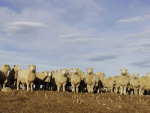
Meat processor Alliance Group is reporting promising outcomes from a pilot programme marketing hogget as a premium product.
 increase font size

NORTHLAND SHEEP and beef farmers Steve and Bruce Dill believe hogget mating and summer crops are essential for setting ewes up for better lifetime production.
The Dills manage 1138 ewes on their 493ha farm in the Kaipara Flats, an hour north of Auckland.
With 78% of the farm being steep, and in an area known for high facial eczema and pneumonia, keeping sheep healthy and minimising lamb losses has sometimes proved a challenge.
They're focusing on getting bigger, healthier two-tooths to give ewes a better chance of having a long, productive life.
"We think it will have a massive impact on the ewe's lifetime performance," Steve told a recent Beef + Lamb New Zealand field day held on their farm.
"Stronger two-tooth ewes should cope with animal health issues better."
However, topography and climate mean mid-summer pasture quality in the region isn't good, and often comes with high quantities of fungal toxins and parasites.
The Dills' solution has been to grow a summer crop of Titan, a rape/kale hybrid, to guarantee that sheep get the feed they need to remain healthy.
The crop, which was selected because of its aphid resistance and shorter adjustment period, was direct drilled into pasture for establishment.
While he's a fan of no-till sowing, he says it is essential to do everything properly to avoid disappointment: where they missed one application of spray before planting, weeds grew at the same speed as the crop and reduced the gains.
"Don't cut any corners... If you do then it's going to really cost you."
The Dills combine cropping with regrassing, helping boost pasture growth into the future. Kamo and Extreme ryegrasses are autumn-sown post crop with Kopu clover and plantain stitched into the grass in spring to make sure animals get good quality feed.
Ewe lambs go onto the crop at 27kg in February and come off at 37-38kg before going to the ram.
Other lambs then go onto the remaining crop to be finished.
The crop has been very successful at helping the health of the sheep with facial eczema eliminated and faecal egg counts and pneumonia incidents cut right back (see p38).
They're also now getting two-tooths to a breeding weight of 60kg.
Crop costs, at $16,832 for 12ha in 2010, are not cheap, they acknowledge, but part of the strategy, and to help cover that extra cost, has been to start hogget mating.
Over the past two seasons it's proved profitable.
Of 220 ewe lambs put onto crop, 160 reached a weight of 36-38kg and were sent out to the ram on May 1. From these, 170 lambs were weaned at an average of 12kg, and finished over winter, earning the farm $22,100 – a net return after cost of crop of $5268.
But even without that margin, Steve says they'd continue with the cropping.
"This is an investment in the future of the flock and the farm."
Meat processor Alliance Group is reporting promising outcomes from a pilot programme marketing hogget as a premium product.

April is the month when farmers need to make the final decision about hogget breeding for the year.
All are welcome to come along and support excellence in farming and acknowledge winners at the 2015 New Zealand Ewe Hogget awards dinner, to be held in Christchurch in early June.
Entries are now open for the New Zealand Ewe Hogget Competition which is held in conjunction with the West Otago Southland Ewe Hogget Competition.
Preston and Tori Hope from Hindon, the Perendale Breed section winners, have been named 2012 Winners of the NZ Ewe Hogget Competition.



The primary sector is leading New Zealand's economic recovery, according to economist and researcher Cameron Bagrie.
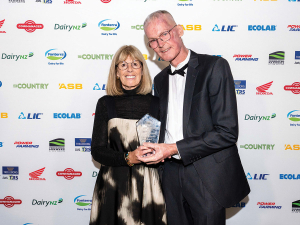
Dairy industry leader Jim van der Poel didn't make much of the invitation he received to the recent New Zealand Dairy Industry Awards in Rotorua.
Farmers around the country are going public big time, demanding their local district, city and regional councils come up with amalgamation plans that meet the needs of rural communities and don't allow urban councils to dominate.
The battle for the rural vote is on and parties are securing high profile names to try and bolster their chances at the general election.
Horticulture New Zealand says proposed changes to the Plant Variety Rights Act 2022 will drive innovation, investment and long-term productivity.
More than 1200 exhibitors will showcase their products and services at next month’s National Fieldays, with sites nearly sold out.