McRae Wins Southern South Island B+LNZ Director Vote
Matt McRae, a farmer from Mokoreta in Southland who runs a sheep, beef and dairy support business alongside a sheep stud, has been elected to the Beef +Lamb NZ Board as a farmer director.
 increase font size
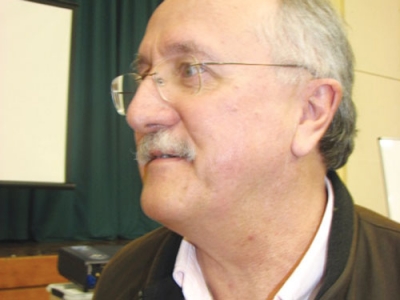 Ian Blackman.
A company model tackles the farm succession problems common to all New Zealand farmers, says a Rotorua lawyer.
Ian Blackman told a recent Beef + Lamb NZ seminar on farm succession, in Gore, there is growing interest in the topic with the marked recent change in rural society. The seminar attracted 150 rural people from Southland and Otago.
Blackman says a company structure is the best way to ensure a good succession plan. This provides flexibility not possible in family trusts.
Trusts have been popular as a vehicle for succession but Blackman warned of pitfalls.
“Farms are often transferred to a trust for tax reasons, but succession is not about money only. Any small saving in taxation cannot compare with the emotional wellbeing from knowing you have a succession plan in place. It’s not about money.”
Failing to implement a plan is the biggest mistake farming families can make, he added.
Blackman says a company structure would see the company entity owning the farm assets, and the farm owner holding 100% of the shares. These would then be deposited in a trust and the farm owner could then create another trust for the succeeding child.
For succession planning purposes this created the opportunity over time to sell to the successor’s trust and shares in the farm company.
A farm owner’s preparation for a succession plan, based on a company model, need not start with a lawyer, but may be done at home “with a sheet of paper, a pencil and an eraser”.
“You set out the things you want, in your own words. The eraser is needed because the farmer would not get the plan right the first time.”
Blackman says the plan should be reviewed annually to keep up with changing circumstances. The company model is working all over New Zealand.
“Production goes up and profitability goes up because every time 10% of the shares are sold to the son or daughter, the parents get 10% of the net equity of the farm.”
Such a system benefits everyone, particularly the farming parents. “They want the joy of going into retirement, gradually selling the farm to the son and getting the capital off that to lend it to the other children. It’s meeting the needs of everyone.”
Matt McRae, a farmer from Mokoreta in Southland who runs a sheep, beef and dairy support business alongside a sheep stud, has been elected to the Beef +Lamb NZ Board as a farmer director.
The red meat sector is poised for a strong rebound this season, with export receipts forecast to top $10 billion and farm profitability to almost double.
Progeny testing at Pāmu’s Kepler farm in Southland as part of Beef + Lamb New Zealand’s Informing New Zealand Beef programme is showing that the benefits of hybrid vigour could have a massive impact on the future of beef breeding.
Beef + Lamb New Zealand (B+LNZ) has reiterated calls for New Zealand to revise its methane targets after the Government's "disappointing" announcement of its revised Nationally Determined Contribution (NDC).
Beef + Lamb New Zealand (B+LNZ) is having another crack at increasing the fees of its chair and board members.


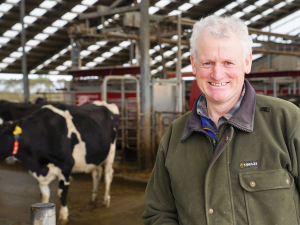
In Dacre, near Invercargill in New Zealand’s South Island, Bruce Dinnington is running a dairy operation unlike any other.

A free online platform aggregating governance vacancies across rural and regional New Zealand has been launched.
Environment Minister Nicola Grigg has announced details of a new rural plastics recycling scheme.
Agricultural drone operators say that a government decision to allow lower-risk drone work without certification won’t lower standards but drive innovation and efficiency.
OPINION: Warning bells are ringing in the arable sector.
Farmgate lamb prices are down by 8%, beef cattle by 4.5% and farm expenditure up by 4.2%.