Ravensdown Named Naming Rights Sponsor of A&P Show
Farmer owned co-operative Ravensdown has signed a two-year naming rights sponsorship of the Canterbury A&P Show.
 increase font size
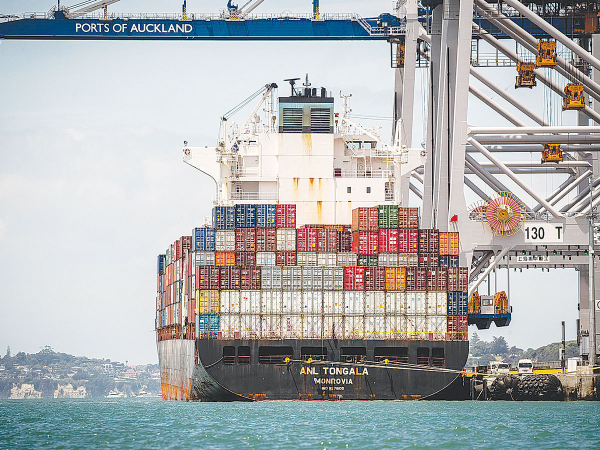 Shipping disruption caused by Houthi rebels in the Red Sea has so far not impacted fertiliser prices or supply on farm.
Shipping disruption caused by Houthi rebels in the Red Sea has so far not impacted fertiliser prices or supply on farm.
While both major fertiliser co-operatives, Ballance Agri Nutrients and Ravensdown have enough fertiliser on hand to meet demand, an escalation of the conflict through Middle East may however change things.
The first ship to be sunk by the rebels since the conflict started is the MV Rubymar, which was carrying 21,000 tonnes of ammonium phosphate sulphate fertiliser.
Ballance head of customer Jason Minkhorst told Rural News that while the sinking of MV Rubymar didn’t directly impact its supply chain, it’s indeed a tragic event.
“The only products that Ballance sources to be impacted by these attacks is NPK (nitrogen, phosphorous and potassium), which we source from Europe and can come through the impacted shipping lanes.
“These shipments will take a longer route to avoid the area resulting in a freight increase, but these costs have not been passed on to our customers.”
Minkhorst says the current geopolitical environment and extreme weather events continues to cause instability in fertiliser prices – including the conflict in the Ukraine, tensions in the South China Sea and other parts of the Middle East that are vital to fertiliser production.
“At Ballance, we have a diversified supply chain that allows us to mitigate these disruptions when it occurs. Having local manufacture of nitrogen and phosphate also helps provide supply security.
“Lower incomes, higher interest rates and increased operating costs are driving demand on-farm. However, we are currently seeing fertiliser prices below what they have been at recent peaks, which is good news for farmers,” he says.
Ravensdown, which doesn’t use the Red Sea and Suez Cana route to bring in fertiliser, says the ongoing dispute has impacted vessel rates.
However, so far, there has been little impact on fertiliser supply and availability, according to chief operating officer Mike Whitty.
“The Red Sea situation remains a risk and, like other importers, we are monitoring the situation carefully,” Whitty told Rural News.
He points out that fertiliser prices have largely been unaffected, as the market is influenced by seasonal demand and supply factors.
“From a bulk shipping perspective, we do not use the Suez Canal and Red Sea route.
“However, recent missile attacks combined with the drought in the Panama Canal have contributed to longer shipping routes, decreased capacity and increased demand globally, which means more shipping days are required.
“This has contributed to a firming of vessel rates.”
Whitty warns that any escalation will continue to put pressure on the timing and availability of shipping, with containers particularly likely to be impacted.
Farmer owned co-operative Ravensdown has signed a two-year naming rights sponsorship of the Canterbury A&P Show.

Nominations are now open for two directorships on the Ravensdown Board and will close at 5pm, Friday 24 July 2026.
For Jane Smith, becoming a Ravensdown director has been a way she can actively contribute to something quite personal to her - protecting and strengthening a co-operative she deeply believes in.
OPINION: A nation that relies as heavily as NZ does on functional global shipping lanes will have to do its bit on the international security front, hence the additional $1.58b in military spend over 4 years that Dame Lynda Topp thought should have been spent on sheet music.
Silver Fern Farms has tackled the ongoing war-induced shipping challenges to mideast markets by airlifting 90 tonnes of chilled New Zealand lamb and beef to the United Arab Emirates.

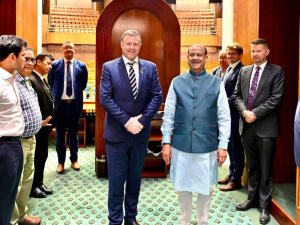
Associate Agriculture Minister Mark Patterson says his party – NZ First - isn’t opposed to the “trade element” of a free trade deal with India.
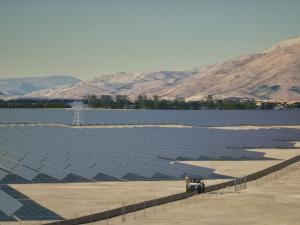
The managing director of a company seeking to build a solar farm in Canterbury says receiving fast-track approval is a “really positive outcome”.
Retiring MP and dairy farmer Mark Cameron is blasting the Green Party for proposing to ban the use of synthetic fertiliser and cutting cow numbers.
A huge reduction in ACC claims from on-farm accidents over the last five years is due to thousands of small, practical decisions being made in sheds, yards, paddocks and around kitchen tables across the country, says Safer Farms ambassador Lindy Nelson.
Wayne and Ange Moxham of Horowhenua have just been named as Fonterra's top organic performer for milksolids. As well as providing organic milk to Fonterra, the couple also sell Udderly Organic milk to more than 100 outlets in the region and are embarking on another exciting venture producing organic gelato. Reporter Peter Burke went along to see their farming operation.
Certainty and a clear understanding of the needs of rural communities is a critical outcome in the series of government reforms that are taking place at present.