The current Middle East war could not have happened at a worse time for New Zealand.
Chief executive of Silver Fern Farms (SFF), Dan Boulton, told Rural News that the momentum of the killing season is nearing its peak, and his company expects more animals to come through in the coming months.
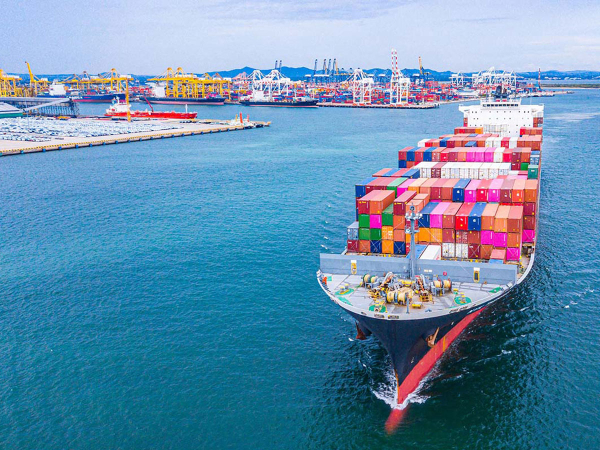
He says the immediate problem is the closure by Iran of the Strait of Hormuz, which has cut off access to ships entering the Persian Gulf and critical markets in the Middle East including Bahrain, Kuwait, Oman, Qatar, Saudi Arabia, and the United Arab Emirates (UAE).
But more worrying, says Boulton, is the long-term and downstream effects of the crisis on NZ exports, not only to the Middle East, but to other destinations.
He says there will be ripple effects if shipping has to be diverted to other ports and markets.
"There will be congestion as ships take longer, it is likely that surcharges will be applied, containers not getting back to the right location, which we saw through covid times. I can see things starting to bank up and congestion is happening, particularly those big transit areas like Singapore," he says.
Another big factor he says is the rapidly increasing price of fuel which affects shipping and all forms of transportation right through to things inside the farm gate.
Read More:
Boulton says SFF is planning for these disruptions, which he believes could last for weeks and months and will bring with it extra costs and challenging operational issues.
He says the company is now trying to navigate these and wants to keep farmers informed about what is happening.
"The Middle East is a really important market for us for the number of reasons. It accounts for between five and six percent of our beef business and about eight to ten percent of our sheep business. It's an important chilled market for us which makes it a little bit more challenging, particularly in the sheep spaced. It's a really nice market because it enables us to maintain pricing tension, particularly with China which takes some of our cuts. So, if the Middle East turns off, it reduces some of the global competitiveness," he says.
Boulton says this situation not only applies to China but other markets as well with other countries putting in product which would soften pricing for us as well.