Editorial: Wool's Back in the Black
OPINION: Confidence in the wool sector is rebounding as prices hit levels not seen in more than 15 years.
 increase font size
David Anderson reflects on the agri-sector as he steps down from his editor’s role.
OPINION: In 1991, freshly graduated from a journalism course – after a period farming, shearing and working in the meat processing industry – I walked into the offices of Rural News. I was lucky enough to secure a job as a junior reporter as the fledgling publication that was in the process of changing, with the aim of tackling the real issues affecting the country’s all-important rural sector.
My first editor, the indomitable Ron Clark, was a true newspaper man who believed that NZ’s farming sector lacked serious coverage of the issues that it faced, and that Rural News was the perfect outlet to do this. Backed all the way by publisher Brian Hight, what was created then still exists today: Covering the good, bad and ugly of NZ’s agribusiness sector – without fear or favour – just reporting on the news happening in the rural sector.
Ironically, my rural journalism career began with a new National-led government picking up the pieces of a shattered economy and severely depressed rural sector hit by major reforms, in the aftermath of six years of a Labour-led government. Labour had been voted in on a high promise of fine ideas, great words and led by a charismatic leader, who ended up quitting and running halfway through its second term.
Around the same time, farmers were unhappy with the producer boards and the fact they could not even vote directly for their own representatives. They changed the system, believing it would see much better voter turnout and higher quality representation. Fast forward to today, and a mere 12% of red meat producers bothered to vote at the latest Beef+Lamb NZ annual meeting.
Another big change was the painful formation of Fonterra from the proliferation of numerous dairy co-ops dotted throughout the country into one of the biggest and most successful dairy companies in the world.
It is impossible to summarise more than 30 years of this dynamic sector’s events and happenings in a few words. However, what I can say is that things will continue to change, farmers will adapt and the industry will survive and thrive.
It’s been an absolute privilege to have played a small role in NZ’s most important and vibrant sector.
OPINION: Confidence in the wool sector is rebounding as prices hit levels not seen in more than 15 years.
OPINION: When I moved to Marlborough two decades ago, I found countless lines of tidy vines, neatly mowed and carefully sprayed, with diligent conventional practices interspersed with the odd organic or cover-cropping outlier, like Te Whare Ra.
OPINION: The Government has been seeking industry feedback on its proposed amendments to a range of Resource Management Act (RMA) national direction instruments.
OPINION: The Government's decision to stop local authorities going ahead with reviews of district and regional plans makes sense for several reasons.
OPINION: Good times are coming back for the primary industries. From sentiment expressed at Fieldays to the latest rural confidence survey results, all indicate farmer confidence at a near-record high.
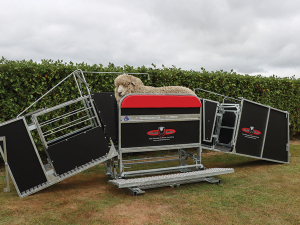
Oamaru-based livestock handling specialist Te Pari has bought Combi Clamp, the New Zealand manufacturer of Combi Clamp manual sheep handlers.

Agriculture Minister Todd McClay has admitted that a scheme bringing workers from Pacific nations to work on orchards has become too hard to navigate but says changes are coming.
A new app designed in New Zealand aims to help sheep, beef and deer farmers capture, analyse and use body condition score data more effectively.
Canterbury farmer Andy Macfarlane has been appointed to the board of AgriZeroNZ, the public-private partnership designed to accelerate the development and deployment of emissions reduction tools for New Zealand farmers.
For over 50 years Mel Ewers has been supporting the apple sector navigate through compliance and quality assurance issues.
The apple sector is enjoying a bumper harvest season.