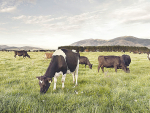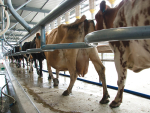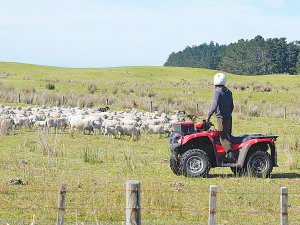
Improving red meat prices and lower dairy prices, combined with growing concerns about the environmental impacts of more and more cows, may give impetus to the resurgence of the all-important sheep and beef sectors.
There is no doubt the rural sector and the country’s wider economy have benefitted from the boom in dairy production over the last 10 or so years. The days of New Zealand living off the sheep’s back have well and truly gone; now we’re reliant on the cow’s udder.
But concerns have been expressed about our country’s growing dairy dependence – economically and environmentally.
Some commentators, somewhat facetiously have made claims that New Zealand’s ‘one-trick’ economy – due to the importance of the dairy sector – is a recipe for economic disaster. Many of these commentators now believe their claims are being vindicated with the recent drop in dairy prices. This is far too simplistic a diagnosis and ignores the fact that all markets go up and down.
More relevant, and likely to stunt continued explosion in the country’s dairy herd, is the growing worry about the environmental impacts of dairy farming.
More and more dairy cows cannot continue to be milked in New Zealand without the country reaching ‘peak cows’ at some stage. We may not be at that point yet, but growing public pressure will soon see this time come.
The dairy industry will always be an important and vital component of New Zealand’s economic story. However, as with all things in life, it is not healthy to have all our eggs in one basket.
This is why it is good to see more positive talk about the red meat sector, e.g. Professor Tony Bywater, of Lincoln University, who says “done right, sheep farms can compete with dairy”.
He made these comments at the official opening of Lincoln University’s sheep technology farm (LUSTF) earlier this month. Sited on the 21ha former South Island Field Days site, the new unit will be used for student and farmer training, field days, demonstrations, and research.
News that both the major meat co-operatives Silver Fern Farms and Alliance Group have experienced better returns this year – although still pitiful – is also good reason for optimism.
Let’s hope these truly are signs that long-term profitability is returning to the red meat sector – that they’re not just a flash in the pan.
New Zealand needs a strong, vibrant and profitable sheep and beef sector just as it needs a strong, vibrant and profitable dairy sector.