Election 2026: How Parties Would Lift the Arable Sector
As part of its Election 2026 coverage, Rural News asked political parties how they would help pull the arable sector out of the doldrums. Here's what they said:
 increase font size
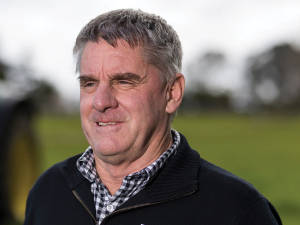
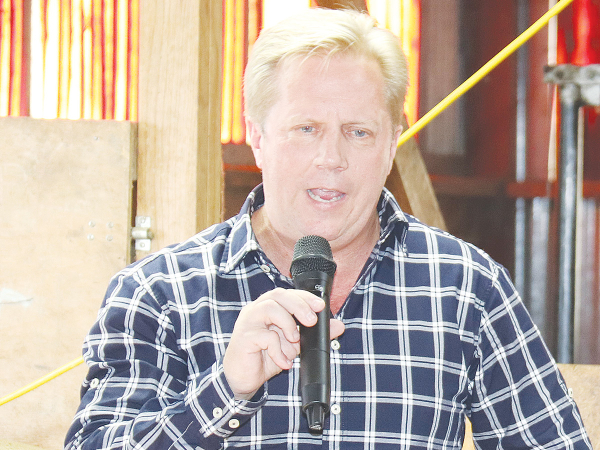 Todd McClay says a National-led government will cut regulation and back farmers.
OPINION: Fonterra's recent announcement that the milk price will drop to $7/kg – on top of falling lamb and beef schedules – is devastating news for farmers.
With the forecast dairy payout falling, and lower lamb and beef prices, many farmers face a season of losses with their books going into the red. Rising interest rates and Labour’s excessive regulation of the rural sector means many dairy farmers now need $8.20/ kg just to break even.
The Government must take urgent action to get farmers’ costs down. It should rein in its ill-disciplined spending and stop their assault on farmers. Six years of piling on costs for farming has increased the price of food and put farmers and the New Zealand economy at risk.
A prime example is how farmers and their stock have been caught in a stressful bureaucratic nightmare created by Labour. As part of the current Government’s regulation overload, farmers must have a farm plan for winter grazing – or apply for a resource consent.
The problem is that after three years and two postponements, the Government still has not finalised rules for farm plans. This delay has caught out some farmers who are now receiving legal letters from the regional council to immediately stop winter grazing. ’Cease and desist’ letters are only the most recent example of the massive bureaucratic load that Labour has imposed on this country’s largest exporters.
The solution is simple: the Government should hit pause on its winter grazing regulations until it has finalised its farm plan rules. That would avoid the need for consents and stop legal letters going to hardworking farmers.
National will stop resource consents for winter grazing and scrap winter grazing slope rules in favour of a catchment approach.
Our Getting Back to Farming policy includes a commitment to defer central government rules requiring resource consents for winter grazing until freshwater farm plans are in place.
Meanwhile, another major concern for the farming sector is Labour’s proposals for emissions reductions.
National is committed to reaching Net Zero by 2050, but we believe New Zealand’s path to emission reductions in agriculture is through technology, not less production.
A National government will remove the ban on gene technology, which will help give farmers the tools they need to reduce methane emissions – such as gene edited crops, feed, and livestock.
We will also give farmers the tools they need to reduce emissions, including recognising on-farm sequestration, measuring farm level emissions by 2025 and updating biotech rules.
National will keep agriculture out of the ETS but implement a fair and sustainable pricing system for on-farm agricultural emissions by 2030 at the latest. An independent board – with a power of veto retained by the Ministers of Climate Change and Agriculture – will be established to implement the pricing system.
We will also limit the conversion of productive farmland to forestry for carbon farming purposes to protect local communities and food production.
Recognising that the environmental impacts of carbon dioxide and methane are fundamentally different, National will take a split-gas approach to emissions. We will review methane targets to ensure their consistency with no additional warming from agriculture.
New Zealand contributes 0.2% of global emissions. National is confident we can reach our climate goals by reducing agricultural emissions without closing down a sector that contributes over $40 billion to the New Zealand economy.
A strong agriculture sector means a strong New Zealand economy.
Our ‘Getting Back to Farming’ policy is targeted at cutting through Labour’s red tape, bringing down costs, and building an economy that values the importance of our rural sector.
National is proud to back New Zealand’s world-leading farmers.
Todd McClay is National’s agriculture spokesman
As part of its Election 2026 coverage, Rural News asked political parties how they would help pull the arable sector out of the doldrums. Here's what they said:
Food and fibre exports have returned a billion- dollar bonus to the country.
The Government is backing work on a community-led water storage scheme that could irrigate up to 11,000 more hectares of the Poverty Bay flats, Agriculture Minister Todd McClay says.
A Labour-led Government won’t be bringing back the controversial freshwater rules of 2020.
It was billed as a chance for all the political parties to woo the rural vote, but question marks hang over just how effective this was.


Federated Farmers has welcomed new rural policies released by ACT, saying they align closely with its own election priorities.

Rural Contractors NZ says proposed changes to land transport rules for agricultural vehicles are a welcome response by the Government to out of date regulations which have seen members hit with huge fines.
Alliance is calling for final applications for its 2027 Graduate Programme, with applications closing on Sunday 25 October.
Decades piloting planes has ensured vet and farmer David Hayes is focused on safety. So, after a serious accident while welding on farm, he is sharing his experience so others can learn from it.
Canterbury milk processor, Synlait Milk has confirmed Leon Fung as its chief executive officer.
OPINION: Making it easier to collect rainwater and use it to grow crops and livestock is a no brainer.