OPINION: While farmers are busy and diligently doing their best to deal with unwanted gasses, the opponents of farming - namely the Greens and their mates - are busy polluting the atmosphere with tirades of hot air about what farmers supposedly aren't doing.
Maybe the Government should introduce a pollution tax on the unsubstantiated rubbish that the green lobby regularly produces - even a cent per word would bring a good tax take.
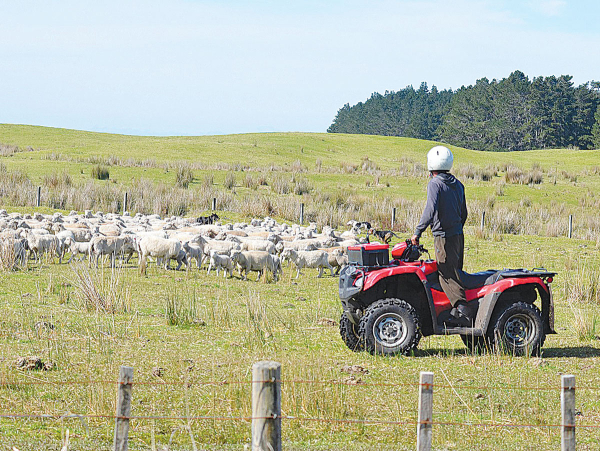
So, greenies, take off your blinkers and see in Rural News this week one of hundreds of examples of farmers spending their own money to clean up the problems of nitrate on their properties. It's time the green lobby got out in the field and saw the effort farmers are making to not only prop up the New Zealand economy, but to make sure that waterways are pollution free for their families to swim and fish in, but also for the city people that come into the countryside.
The reality is that most farmers are savvy enough to realise that to sell their products overseas they need to meet high environmental standards, because that's what overseas consumers are demanding.
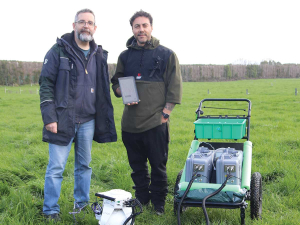
The work of the Manawatu Catchment Collective, in association with Massey University, is an example of how switched-on farmers are.
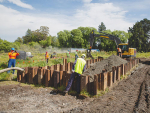
Scientists bring in hard data and farmers, working in tandem with them, come up with practical, cost-effective solutions that fit their farming systems. There can be no quick fix to this; it will take time and will rely on farm profitability because some of the on-farm solutions such as woodchip bioreactors are not cheap.
What puzzles farmers is that most environmentalists are happy to enjoy the relatively high standard of living that the primary sector provides but then perversely trashes the sector on an ongoing basis.
Sure, some farmers need prodding to get their act together, but the majority are doing their bit for the environment.