Pāmu Silver Stabilizer Dairy Beef Genetics Open to Farmers
A major move is about to get underway to improve the quality and viability of dairy beef and cattle in NZ.
 increase font size

OPINION: Your old mate has long argued Landcorp’s farming business – Pamu – is a bigger dog than he is.
The state farmer’s latest result of $8 million for the half-year ended 31 December, 2020, shows its return on assets – managing 117 farms, 84 of which they own – makes it a terrible business for both the country and taxpayers.
However, a recent brilliant suggestion from North Otago farmer Grant Ludeman would kill two birds with the one stone.
He suggests that the Government order Pamu to completely destock all its farms and plant them in natives – making a huge contribution to decarbonising the country and meeting the CCC’s aim for a 15% reduction in NZ’s livestock numbers – as well as ridding the taxpayer of a poorly performing state business. Win, win!
A major move is about to get underway to improve the quality and viability of dairy beef and cattle in NZ.
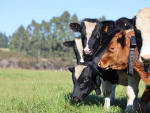
High country stations, mixed sheep and beef farms, Māori-owned farms, corporates and family operations are among the nine commercial farms taking part in the Livestock Innovation Farming Transformation programme, known as LIFT.
Pāmu has welcomed Taranaki student Paige Burston as its newest First Foundation Scholar, supporting her journey towards a career in agriculture and animal science.
State farmer Pāmu is bracing for a $30 million hit from soaring farm input costs this financial year.
Pāmu has released its FY26 Integrated Annual Report, reporting a Net Operating Profit of $113 million, more than double the $49 million recorded in FY25.


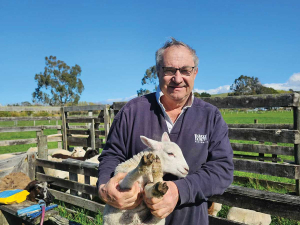
Decades piloting planes has ensured vet and farmer David Hayes is focused on safety. So, after a serious accident while welding on farm, he is sharing his experience so others can learn from it.
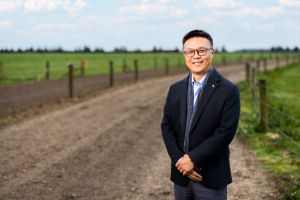
Canterbury milk processor, Synlait Milk has confirmed Leon Fung as its chief executive officer.
OPINION: Making it easier to collect rainwater and use it to grow crops and livestock is a no brainer.
As part of its Election 2026 coverage, Rural News asked political parties how they would help pull the arable sector out of the doldrums. Here's what they said:
Farmers are being encouraged to rethink how they manage waste on farm with the launch of ruralwastesorted.co.nz, a new website bringing together practical tips, real farmer experiences and resources.
New Zealand Winegrowers (NZW) is celebrating the India-New Zealand Free Trade Agreement (FTA) coming into force today, bringing New Zealand wine improved access to one of the world’s fastest-growing economies.