Lanaco and Blueair Launch World-First NZ Wool Air Filter
New Zealand wool is reaching new heights as air filtration companies move away from synthetic products to biodegradable alternatives.
 increase font size

OPINION: This old mutt still struggles to understand the absolute disaster that strong wool has become over the past 30 years or so.
He's been around a while now, back when the old Wool Board existed, and seen the many machinations that entity evolved into until it was finally disbanded.
Nothing better illustrates the ongoing, slow death of this once magnificent industry than current prices.
A mate of the Hound's recently received a gross valuation for 38 bales of his crossbred fleece - at an average weight of 181kg each - of just over $6,200, which still had handling fees and other costs to be charged of around 18 cents/kg or around $1,200.
This means he will net around $5,000.
However, the problem is it cost him $16,000 to shear the sheep!
No wonder farmers are turning to self-shedding sheep as we are witnessing the death of crossbred wool sheep farming in this country!
New Zealand wool is reaching new heights as air filtration companies move away from synthetic products to biodegradable alternatives.
Will a stronger, more coordinated voice help rebuild confidence and improve returns in the wool sector?
OPINION: The same mainstream media muppets that brought you Jacindamania in 2017 have been flat out pimping for the Opportunities Party, labelled by some as the 'LinkedIn Greens' for their corporate spin on Green-esque 'tax the rich' policies.
OPINION: Your old mate reckons the atrocious way farmers in the UK are treated by their lords and masters in Westminster is a salient warning for us.
OPINION: Proponents of regenerative agriculture tend to be naturally aligned with a 'green mindset', so they will be nonplussed with their new mates in the US of A.



Now in its fourth year, the 2026 Fencing Industry Awards, formed part of the proceedings of the FCANZ Conference, held in Nelson during August.
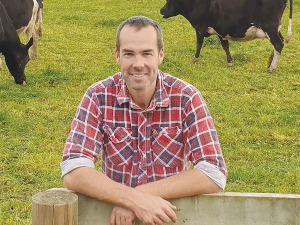
DairyNZ deputy chair Cameron Henderson has been re-appointed unopposed for another term.
OPINION: The stats speak for themselves.
Farms across the upper North Island are trialling different pasture mixes as part of a research programme that aims to build greater resilience into farming systems.
Election years are always a concerning time for farmers, according to DairyNZ chair Tracy Brown.
The Ballance Farm Environment Awards are coming to the West Coast of the South Island.