Good health needs to be worked on
Rural life, and agriculture is driven by changing seasons that dictate on-farm tasks and operations and busy times can mean pressure on owners or employees.
 increase font size
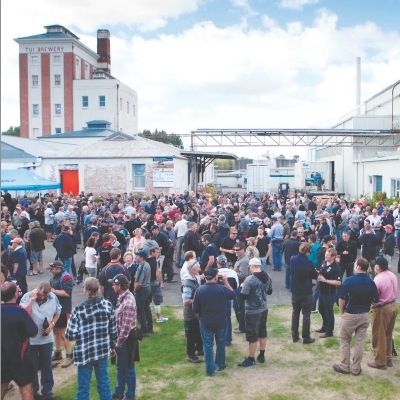 Sharing yarns with others is important in times of stress
So it's official – we now have a drought in large parts of the country: no surprise to most of us in the rural sector.
Primary Industries Minister Nathan Guy has declared the drought conditions on the east coast of the South Island a medium-scale adverse event. I understand the Government and MPI are also keeping a close eye on Wairarapa and southern Hawkes Bay, also suffering very dry conditions.
Reports suggest most farmers have coped so far by destocking and using up supplementary feed supplies on hand. But it’s clear if these dry conditions continue – especially into autumn – that things are only going to get tougher as the seasons change.
The declaration of medium scale recovery measures to deal with the effects of the drought means Government funding will now be made available to Rural Support Trusts – who work closely with farmers and others affected by drought, providing support and guidance.
I know that many rural people, including contractors, can be reluctant to ask for help. But it is critical to lose this attitude and know what support is available. However, the declaration of a drought does not mean big handouts or a financial windfall for those affected.
What it actually means is that Rural Assistance Payments (RAPs) will be available from Work and Income through the Ministry of Social Development. These are equivalent to the Jobseeker Support benefit and available only to those in extreme hardship.
The adverse event declaration also makes funds available for Rural Support Trust activities, facilitates tax tools such as provisional tax deferral and income equalisation, and provides welfare support in cases of extreme hardship.
It is estimated that with long-term forecasts not predicting much rain, a typical 3000 stock unit sheep and beef farm may already be looking at a financial hit of $170,000-$200,000. This of course has major flow-on effects for many in the rural sector including contractors.
Farmers and contractors facing financial stress and mounting pressure, exacerbated by the dry weather, should reach out for help. The drought, on top of the lower forecast milk price and falling commodities, could see some contractors feeling overwhelmed and under huge financial pressure.
It is crucial in these times of stress that contractors who feel ‘under the pump’ communicate with their support networks including advisors, rural professionals and other farmers and contractors, and tell family what’s going on.
Note that support is already available from Government agencies. Contractors should contact IRD if they need help or flexibility with making tax payments and standard hardship assistance is available from Work and Income.
I want to reiterate the advice given by others, including the Rural Health Alliance and Federated Farmers, that dealing with stress and feelings of helplessness on your own will only make it worse.
It is also important that those in the rural sector keep an eye out for others who may be suffering from stress and, if appropriate, see if they can help in any way or encourage that person to seek help.
If possible, take some time off the farm and/or contracting; remove yourself from what is causing you stress to get a different perspective on life. Reviewing where you are at with your business regularly is important; so is communicating regularly with your support network, including talking to friends and family.
Remember also that farming and contracting have always been cyclical businesses. It might be dry now and commodity prices down, but it will rain again. Milk prices have already started rising again.
• Agricultural contractor Steve Levet, Wellsford, is president of the Rural Contractors New Zealand (RCNZ).
Rural life, and agriculture is driven by changing seasons that dictate on-farm tasks and operations and busy times can mean pressure on owners or employees.

Rural contractors from around the country descended on the Bay of Islands in late June for this year's RCNZ annual conference.
A record turnout of 153 contractors, from all around the country, descended on the Bay of Islands for this year's RCNZ annual conference.
With winter approaching, Taranaki hill country farmers must remember the importance of soil stabilisation measures like poplar poles, and take action accordingly.
Rural contractors have been reminded to play their part in preventing the spread of velvetleaf as management of the pest weed enters a new phase.

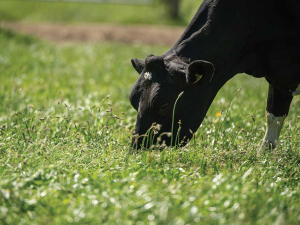
Farms across the upper North Island are trialling different pasture mixes as part of a research programme that aims to build greater resilience into farming systems.
Election years are always a concerning time for farmers, according to DairyNZ chair Tracy Brown.
The Ballance Farm Environment Awards are coming to the West Coast of the South Island.
Most dairy regions around the country have had a pretty good season so far says Tracy Brown.
Rural leader Mark Hooper has been appointed as an independent director to the NZPork board, bringing extensive farming, governance and advocacy experience to the role.