M.I.A.
OPINION: The previous government spent too much during the Covid-19 pandemic, despite warnings from officials, according to a briefing released by the Treasury.
 increase font size
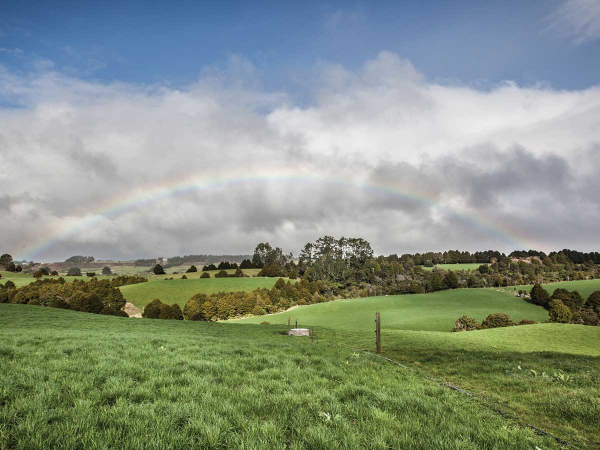 COVID-19 could see our ag sector get greater acknowledgement.
OPINION: If any good can come out of the current COVID-19 crisis it will be greater acknowledgement of the importance of New Zealand’s agriculture sector to the economy.
It will be interesting to see if the Government, environmental lobbies, mainstream media and the general public now take a different view of the sector. Don’t hold your breath!
Prior to COVID-19, the agriculture sector was continually under attack from various vested interests giving it bad press. The sector was regularly accused as the main villain in any environmental issue; this seems to have been largely forgotten at present.
For example, ‘Our Freshwater 2020’ report, released by the Ministry for the Environment and Statistics New Zealand in early April, barely raised any comment in the media.
Imagine all the anti-farming stories the mainstream news outlets would have run if the country weren’t consumed with COVID-19?
However, what the current crisis has shown is how vital the primary sector – agriculture, horticulture, viticulture and forestry, in that order – is to NZ’s economic recovery.
Until February, tourism was hailed as New Zealand’s largest industry in terms of foreign exchange earnings and the great white hope of our economic prosperity. It now contributes nothing to the economy and will take years to recover – if it ever does.
Agriculture has suffered setbacks over the years – droughts, floods, earthquakes, poor commodity prices, the 1980s reforms, Psa, Mycoplasma bovis and numerous other biosecurity incursions. Agriculture is a diverse sector and its key strength is that if one sector suffers a setback or is down for a period, others continue to do well.
However, there is no doubt the farming sector will also feel the economic impact of COVID. We produce high quality, safe food, but there is no guarantee commodity prices won’t take a hit. And while countries want our produce, will they be willing – or able to afford – to pay top dollar?
It will be interesting to watch as our primary sector leads the economic recovery. Hopefully, some of the negative press the farming sector has been getting in recent years will now be more balanced and acknowledge the huge contribution that agriculture makes.
OPINION: The previous government spent too much during the Covid-19 pandemic, despite warnings from officials, according to a briefing released by the Treasury.
OPINION: Labour leader Chris 'Chippy' Hipkins is carrying on the world-class gaslighting of the nation that he and his cohorts started after their disastrous Covid response; now trying to undermine the Covid inquiry to protect his own backside.
OPINION: Did former PM Jacinda Ardern get fawning reviews for her book?
OPINION: Welcome to the second annual NZ Dairy Expo at Matamata – an event created to bring together the best of the New Zealand dairy industry in a focused, grassroots environment where dairy farmers and rural professionals can meet, talk, compare products, and make smart decisions for their farms.
It's a bloody tough year for sheep farmers, but the worst may be over, and the future looks optimistic.



Testing confirms H5 bird flu in a single northern giant petrel, found dead on a remote Cape Palliser beach in the Wairarapa, says Dr Mary van Andel, the Ministry for Primary Industries' (MPI) Chief Veterinary Officer.

"What's for dinner?" may sound like a simple question, but for many Kiwi parents, answering it has become a job in itself.
Fifty Eight years ago, on the 16th of August 1968, August Claas, the founder of the harvesting company and father of Helmut Claas, personally presented a Claas Senator combine harvester to Scottish farmer John Steven.
New Zealand consumers are paying more for beef mince than ever before, with the average retail price now sitting above $24 per kilogram, according to Rabobank.
State farmer Pamu has delivered its strongest operating result on record.
Four years since it was first detected in New Zealand, researchers and growers now know much more about management of maize pest fall armyworm (FAW).