Editorial: No Small Challenge
OPINION: There could hardly be a more appropriate theme for a conference than the one chosen by the red meat sector - Navigating Volatility.
 increase font size
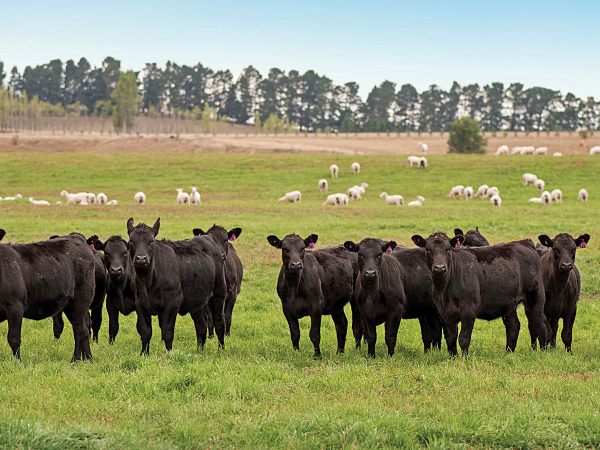 Red meat farmers are expected to generate $8.5 billion on farm this year.
OPINION: After two long years of hardship, things are looking up for New Zealand red meat farmers.
Latest data reflects strong global demand for beef and lamb and tightening supply, with average farm profit forecast to climb to $287,600 per farm in 2025–26 – nearly double last season’s result.
Real farm profit before tax (FPBT), accounting for inflation, is expected to sit about 80% above the decade average.
And when farmers do well, the rural economy does well.
Red meat farmers are expected to generate $8.5 billion on farm this year and spend $16 million every day on goods and services, largely in their local communities.
At a regional level, on the East Coast FPBT is forecast to double to an average $330,300 and in Northland, Waikato and Bay of Plenty, it is set to rise 73% to $324,500.
As Federated Farmers meat and wool chair Richard Dawkins notes, the extra revenue will flow straight into rural communities.
Farmers will spend on day-to-day running costs but also on catching up with delayed maintenance on things like extra fencing, weed control, pasture renewal or fertiliser.
That will keep the money circulating through support industries and rural communities.
And market fundamentals are sound with strong demand for beef into North America and for lamb into the European Union and the United Kingdom.
Demand and pricing in China remain softer, but overall, the global picture is far more positive than it has been in recent years.
Wool prices are also showing signs of meaningful recovery after several challenging years, although much of the lift is being driven by lower stocks globally.
Overall, farmers are riding a real high.
Strong returns across sheep, beef, and wool, along with a favourable climate, sensible policies, and decent interest rates; Dawkins describes this combination as rare.
While there’s still a degree of uncertainty with geopolitical risks on many red meat farmers’ minds, this is a time to celebrate the rebound in meat prices and profits.
OPINION: There could hardly be a more appropriate theme for a conference than the one chosen by the red meat sector - Navigating Volatility.
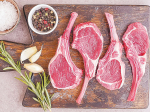
New Zealand's red meat and fifth-quarter exports reached $867 million in August, up 23% on the same month last year, as stronger returns lifted earnings across all major markets.
Meat Industry Association data, released alongside the Red Meat Sector conference in Wellington, shows export value climbing across the US, China, UK and Canada.
New Zealand consumers are paying more for beef mince than ever before, with the average retail price now sitting above $24 per kilogram, according to Rabobank.
After delivering a strong financial year, rural trader PGG Wrightson says the coming months will depend on customer confidence and weather.


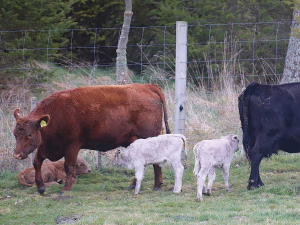
A major move is about to get underway to improve the quality and viability of dairy beef and cattle in NZ.
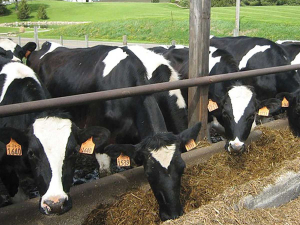
Veterinarians say changes to the code of welfare for dairy cattle provides a positive foundation for improved cattle welfare across the country.
Today, 15 October, is the International Day of Rural Women, which recognises rural women’s contribution to farming, communities and the environment.
Global dairy giant Lactalis has integrated its Australian operations with the Mainland Dairy consumer business it acquired from Fonterra earlier this year.
After almost two decades of sharemilking, saving and building equity, Aaron and Marcia Flay this year realised their long-held dream of settling on their first dairy farm.
Good medium to long term prospects for NZ beef, especially in the US, has heighted the focus on various initiatives to capitalise on this situation.