Whoever sent those anonymous letters containing white powder laced with high concentrations of 1080 to Federated Farmers and Fonterra three months ago is an eco-terrorist; this person or persons must be hunted down and face the full force of the law.
The perpetrator is bound to fail; there is no place in the society for such zealots. If you have a problem with 1080, take your gripe to the courts; stop threatening our country’s reputation.
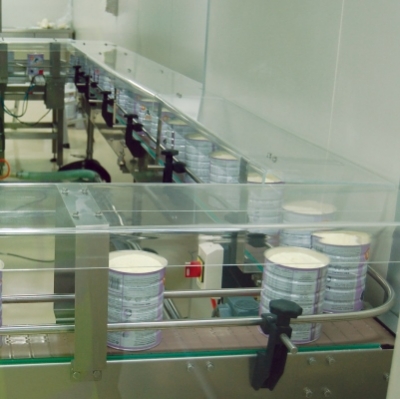
This attempted sabotage affects not only dairy farmers, who work tirelessly to ensure safe, high quality raw milk leaves their farms every day for the processing plants. It has also affected processors striving to maintain premium quality – the entrepreneurs competing with global traders to ensure consumers feed New Zealand infant formula to their babies.
This 1080 scare has instilled fear and anxiety in parents and grandparents. Is this what the nutter/nutters wanted to achieve?
Let’s look at 1080. The authorities consider it safe to use, but there are conservationists and hunters who would like to see this pesticide banned. Fortunately most conservationists and hunters take a balanced view; one or two may choose to spend days and nights squatting in a kauri tree to prevent its destruction, but we doubt any would condone putting poison in baby milk powder.
New Zealand sells $440 million of infant formula to international markets each year, representing 3% of our total dairy exports. At times like these we say thank God for our stringent checks and balances on food safety.
The international markets buying our infant formula were given a heads up before authorities went public with the threat last week, and so far it’s business as usual in most markets. These markets – crucially the lucrative Chinese market— have faith in our food safety systems; rigorous workplace practices are ensuring the integrity of our products.
However, some countries, like Sri Lanka, have used such cases to slap bans on our milk products. Such countries are intent on gaining a competitive advantage over our milk products.
Also, other infant formula producers worldwide will be keeping a close eye on developments. While no commercial infant formula producers will condone such a hoax, some will end up benefiting from this latest case.
The Government, Fonterra, the dairy industry and retailers are banking on our food safety credentials to see us through. We’re confident that after a possible knee-jerk reaction parents’ confidence will bounce back too.