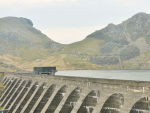
Editorial: Making Water Storage Easy
OPINION: Making it easier to collect rainwater and use it to grow crops and livestock is a no brainer.
 increase font size
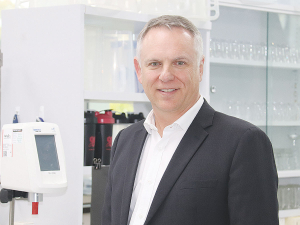
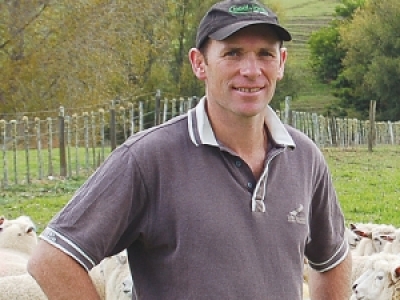 BLNZ chair James Parsons (pictured) says it's time for the sheep and beef sector to pull together and focus on the future.
The results of the remit votes at Beef + Lamb NZ's recent annual meeting must surely be the final nail in the coffin of the meat sector ginger group MIE.
The two remits put up by MIE at the BLNZ meeting – one to fund the lobby group and the other to replace the two meat processor appointees to BLNZ board with MIE members – both failed to garner any more than 25% support.
BLNZ chair James Parsons says it's time for the sheep and beef sector to pull together and focus on the future. MIE won't like this message, but he is actually right.
There is no doubt, as Parsons has also noted, that MIE is made up of passionate and committed farmers who are pushing for a better sector. However, despite this passion and commitment, they have not succeeded in convincing the majority of red meat producers to support them or their cause.
MIE's Pathways report – which, among other things, strongly promoted the Newco model and merger of Silver Fern Farms and Alliance Group – was firmly rejected when SFF farmer shareholders overwhelmingly voted in favour of the merger with Chinese investor Shanghai Maling.
After this vote, many of the lobby group's leaders and members recognised they had lost the battle and decided to move on.
MIE's claims that the votes for both the SFF decision and BLNZ remits are somehow void due to the low turnout of farmers who actually cast their ballots is ridiculous and facile. That's democracy, and if farmers didn't bother to vote – then so be it. It would be like the Government dismissing the result of the recent flag referendum because fewer than 100% of New Zealanders bothered to cast their votes.
MIE cannot realistically complain that it has not had financial support from BLNZ – even if it was given begrudgingly.
In all, BLNZ has provided around $297,000 to the group. There was $40,000 for farmer awareness meetings when it first started. In April 2014 another $20,000 was provided for MIE's business plan and funding application and then, in July 2014, another $237,000 for its Pathways Report and communications strategy.
MIE has had a fair crack and it is time the group moved on. Continuing to argue it cause and throw rocks at the sector from the sidelines will only end up seeing its legacy further tarnished.
OPINION: Making it easier to collect rainwater and use it to grow crops and livestock is a no brainer.
OPINION: New health and safety guidance unveiled by the Government recently provides farmers greater certainty about what is expected of them when managing risks on farm.
OPINION: Have a plan in place now!
OPINION: The stats speak for themselves.
OPINION: David Seymour and James Meager's plan to make it easier for farmers and orchardists to operate drones can best be described a 'courageous' move.


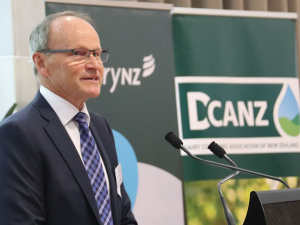
Dairy processors are ready to further boost New Zealand’s export earnings but want the incoming government to match their ambition with good policy.
Massey University is best placed to solve the “problems” facing the dairy industry, says vice chancellor, Pierre Venter.
Synlait's longest serving employee – a man who joined the Canterbury-based milk processor even before it began processing milk – is now its newest executive.
A dairy industry leader believes eradicating the common and costly disease, Bovine Viral Diarrhoea (BVD) is within reach.
A farmgate milk price of $10/kgMS this season is firming up as milk powder prices soar and the New Zealand dollar weakens.
Federated Farmers has welcomed new rural policies released by ACT, saying they align closely with its own election priorities.