OPINION: Two reports out last week confirm that the worst may be over for pastoral farmers.
The days of rampant on-farm inflation and depressed prices – especially for sheep farmers - may be a thing of the past. For red meat farmers, prices for farm inputs fell by 0.6% in the year to March 2025 after a 30% increase in prices since 2020. Deflation is an infrequent occurrence for farm input prices and a welcome respite for red meat farmers following a 30% increase in prices since 2020.
Beef + Lamb NZ’s annual on-farm inflation report puts this down to mostly due to lower interest rates, plus modest decreases in input prices such as weed and pest control, fuel and fertiliser, lime, and seeds.
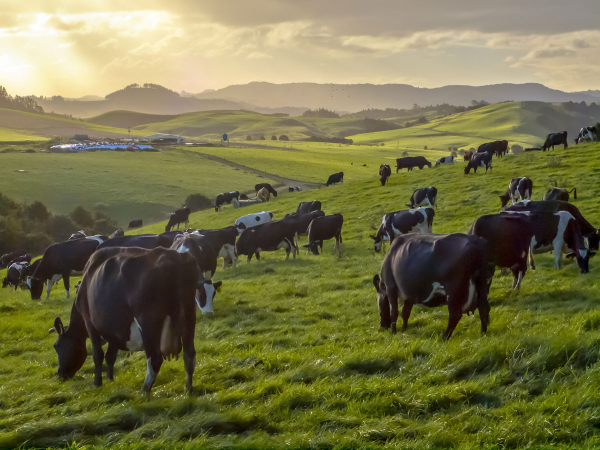
A second report- DairyNZ’s View from the Cowshed – reveals that dairy farmers are feeling proud and increasingly positive about the future of their sector.
Most dairy farmers indicated they feel the outlook will remain positive for the sector over the next three years, with less farmers feeling that things will decline (21.1%) than those who feel it will stay the same (51.8%) or improve (27.0%).
The findings paint a picture of a sector that is passionate, resilient, and progressive.
While dairy farmers are enjoying record farmgate milk prices, the same cannot be said about sheep farmers. However, lamb and beef prices are on the rise. Farm-gate prices remain strong, and the outlook is relatively good.
This is a positive change from recent years, when high on-farm inflation eroded profitability. There’s also good news on interest rates. Farm lending rates are expected to ease further through 2025 and remain stable into 2026, providing further relief on debt servicing costs.
However, challenges remain – regulatory compliance impacts, farm conversions especially sheep and beef properties into forestry and the risk of global shocks.
Having said that, farmers are out of the woods and in a better space than they were a few years ago.
Overall, farmers have grounds for optimism and that augers well for the primary sector and New Zealand as a whole.