Mark Cameron Steps Down, Reflects on Farmers' Voice
When Northland farmer Mark Cameron entered parliament six years ago, the Beehive was a lonely place.
 increase font size
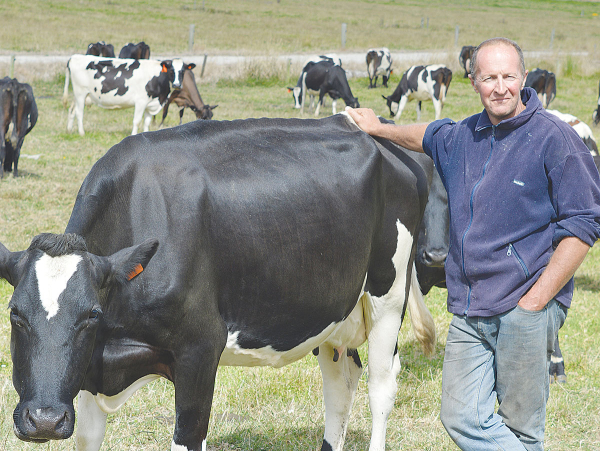 ACT agriculture spokesman Mark Cameron.
The ACT Party says media reports that global dairy giant Nestle has withdrawn from the Dairy Methane Action Alliance shows why New Zealand needs to rethink its approach to climate.
ACT agriculture spokesman Mark Cameron says, “the house of cards is collapsing and strengthens ACT’s call that either Paris needs to change, or we need to leave”.
“This withdrawal follows the recent implosion of the Net Zero Banking Alliance, as the global tide turns on unaffordable international agreements,” he says.
New agency, Reuters is reporting that Nestle is withdrawing from the Dairy Methane Action Alliance, a global initiative aimed at reducing methane emissions from dairy farming. The alliance includes companies like Danone, Kraft Heinz, and Starbucks, which are committed to measuring and reducing methane emissions in their supply chains, the report says.
It reports that Nestle's departure from the alliance is part of a broader trend of companies reevaluating their participation in climate initiatives. This comes amid a backdrop of US policy changes under President Donald Trump, which have seen several major banks leave the main group leading efforts to cut carbon emissions.
ACT Party wants changes to the Paris Agreement on reducing emissions. It says if changes won’t be made then NZ should withdraw from the deal.
Cameron says the Paris Agreement demands targets that are disconnected from science and blind to New Zealand’s realities.
“Net zero targets have been set without regard for the real cost to firms, farms, and families. The result is farmers forced off the land, the regions hollowed out, and higher prices for food, electricity, and production.
““For years, we’ve been told that our farmers must be taxed and regulated because overseas markets demand it. But if we had listened to those people, we’d now be punishing the world’s most efficient farmers for no reason at all. Common sense is finally returning.
““We have always said that if overseas customers truly demand low-emissions products, there’s no need for government to legislate it. The market will deliver what consumers actually want – not what politicians in Wellington imagine they do.
“ACT is the only party that opposed the Labour-NZ First-Green Zero Carbon Act, to consistently vote against the Labour-Green emissions mandates. Now it’s time to make sure we’re getting a fair deal for the world’s most efficient farmers, and the Kiwis that rely on them.”
When Northland farmer Mark Cameron entered parliament six years ago, the Beehive was a lonely place.
Retiring MP and dairy farmer Mark Cameron is blasting the Green Party for proposing to ban the use of synthetic fertiliser and cutting cow numbers.
A partnership between Canterbury milk processor Synlait and the world's largest food producer, Nestlé, has been celebrated with a visit to a North Canterbury farm by a group including senior staff from Synlait, the Ravensdown subsidiary EcoPond, and Nestlé's Switzerland head office.
OPINION: One of the world's largest ice cream makers, Nestlé, is going cold on the viability of making the dessert.
OPINION: Media reports say global recalls tied to cereulide toxin contamination in milk-based nutrition brands could inflict combined financial losses exceeding $1 billion.


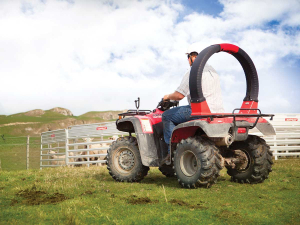
When Northland leather worker Vernon Suckling started making horse saddles 50 years ago, quad bikes and side-by-side vehicles were unheard of.
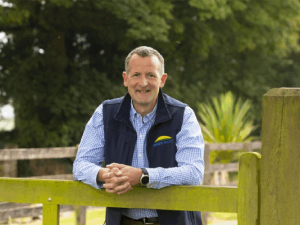
Alliance Group has confirmed that eligible farmer-shareholders who supply and continue to back the business will receive up to $20 million later this year, following the strategic investment partnership with Dawn Meats.
With a general election under five weeks away, Rural News is asking major political parties about their policies and positions on key issues facing the primary sector. We will run their responses to each question over the next four weeks. The ACT Party and the Greens didn't respond in time.
The red meat sector is in great heart.
Dr Scott Champion, Foundation for Arable Research chief executive, says that everyone in the supply chain had a role to play in driving the sector's long-term success.
Entries opened on Monday, 5 October 2026 for the 2027 New Zealand Dairy Industry Awards (NZDIA), which organisers describe as the nation's biggest celebration of excellence in the dairy sector.