Beef + Lamb NZ's Lambing Kit Checklist for a Tough Season
With lambing underway in many regions, Beef + Lamb New Zealand is encouraging farmers to put together a wellequipped lambing kit to help minimise lamb losses, particularly in bad weather.
 increase font size
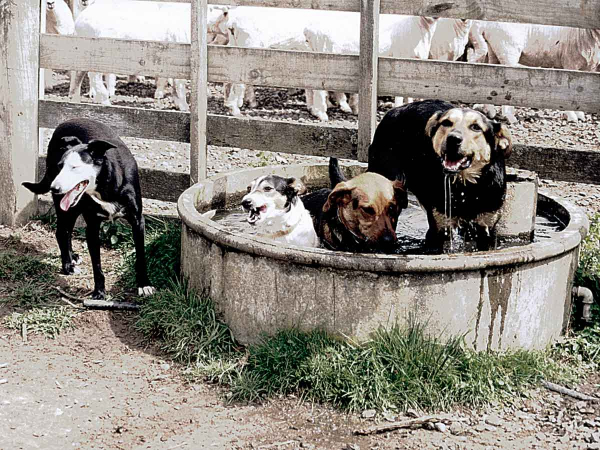 Ovis management’s Dan Lynch says it is a big mistake for sheep farmers to reduce on-farm dog treatments
Requiring that all dogs on sheep farms be treated every four weeks for sheep measles is a significant step in reducing the impact of the parasite, says Dan Lynch.
Lynch, project manager, Ovis Management Ltd, says the change – as part of the New Zealand Farm Assurance Programme – means a gap in national sheep measles control is being closed even further.
He says one of the challenges with reducing sheep measles levels is that surveys show farmers buying in store lambs to finish have a higher prevalence than those finishing their own lambs.
“This is occurring despite the fact that the surveys show both groups are getting the same level of control,” Lynch adds.
“This leads to a situation where the store lamb finisher is contacted about their high prevalence at processing. However, the problem is with the breeder, who is out of the feedback loop.”
He says this is further complicated by the fact that, in nearly all cases, store lines are mixed – so the identity of the originating farm is lost.
“However, most farmers will at some point finish lambs and will likely be part of the NZ Farm Assurance Programme,” Lynch adds. “This means they will be treating their dogs four weekly and reduce the chances that they will unknowingly sell infected lambs to finishers.”
 |
|---|
|
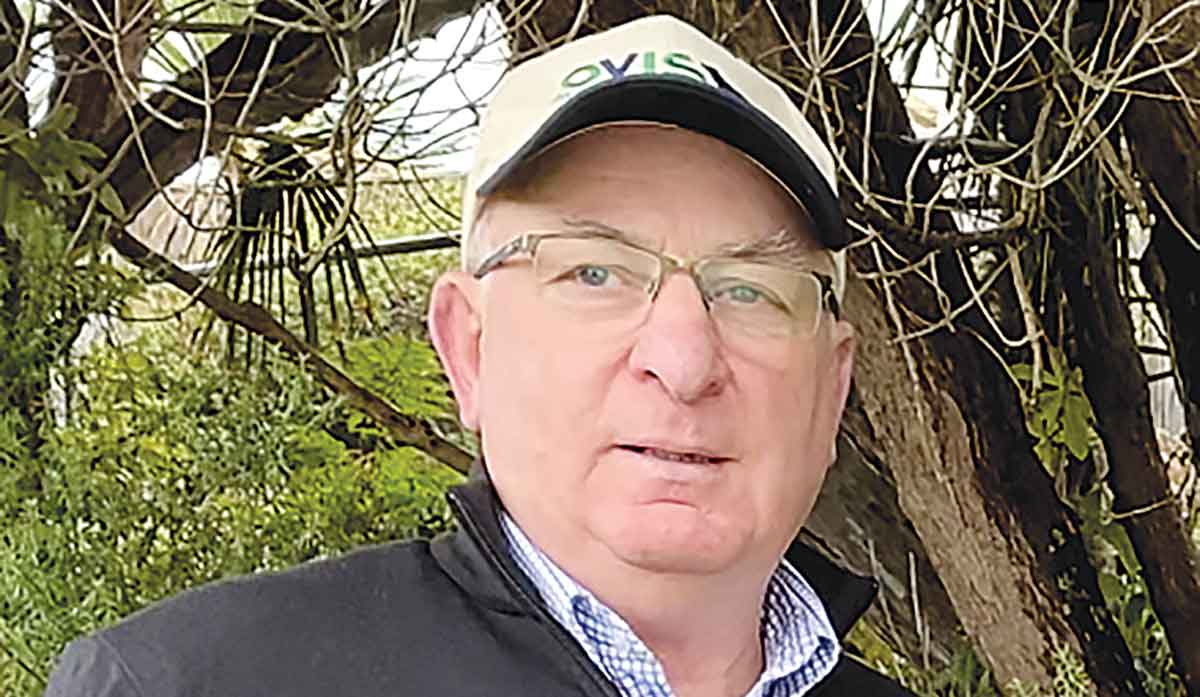
Dan Lynch. |
Meanwhile, Lynch adds that the national prevalence of sheep measles for the current processing season, to the end of May, is in line with the record low of last year.
“Although, in recent months, the North Island lamb prevalence is tracking slightly ahead of last year.”
Lynch says that one factor noted during farm visits is farmers who have had few sheep measles in recent seasons have been reducing on-farm dog treatments.
“Big mistake!” says Lynch. “If you achieve zero or minimal infection levels, protect that achievement by keeping a tight treatment dog access programme in place.”
Key steps for control
• Dose all dogs on-farm, monthly
• Treat all sheep or goat meat by freezing or cooking
• Deter or ban all external dogs from entering farm unless, they have a current treatment certificate.
With lambing underway in many regions, Beef + Lamb New Zealand is encouraging farmers to put together a wellequipped lambing kit to help minimise lamb losses, particularly in bad weather.
Will a stronger, more coordinated voice help rebuild confidence and improve returns in the wool sector?
The vineyards at Pyramid Farm in Marlborough’s Avon Valley have never been run of the mill, with plantings that follow the natural contours of the land, 250 metres above sea level.
Sheep and cattle numbers continue to decline, and this year's drought hasn't helped, according to Beef + Lamb New Zealand (B+LNZ).
High quality feed, reduced stocking rates and shelter will all help enhance triplet lamb survival and ultimately benefit the bottom line.



LIC shareholders have elected a new North Island representative to the co-operative's Board, along with five representatives to its Shareholder Reference Group (SRG), following the company's Annual Meeting held in Invercargill.
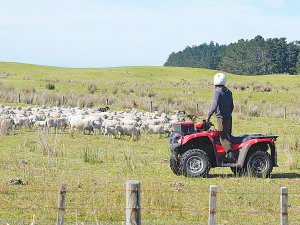
Farmers across parts of Southland and South Otago are continuing to deal with difficult conditions after a prolonged run of wet weather, with pressure building around feed supply, stock management, pasture damage, farm infrastructure and everyday workloads.
Federated Farmers says it welcomes Labour's commitment to reviewing the Sharemilking Agreements Act, calling on other major parties to do the same.
For Canterbury dairy farmers Sian Meijer and Rick Wobben, wearable technology has become one of their most valuable on-farm tools - helping manage 1850 cows across an expansive, high-performing dairy operation while improving efficiency, mating outcomes and day-to-day decision making.
Fonterra has unveiled its annual results for the 2026 financial year, posting $27 billion in revenue and close to $20 billion returned to New Zealand farmer owners and unit holders.
The first major update to the Dairy Cattle Code of Welfare in more than a decade has been released, marking what DairyNZ describes as an important step in ensuring animal welfare standards continue to evolve alongside scientific evidence and on-farm realities.
