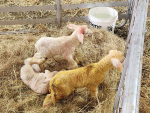
Beef + Lamb NZ's Lambing Kit Checklist for a Tough Season
With lambing underway in many regions, Beef + Lamb New Zealand is encouraging farmers to put together a wellequipped lambing kit to help minimise lamb losses, particularly in bad weather.




 increase font size
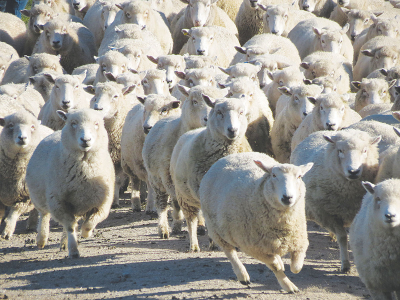
A big drop in sheep measles prevalence has occurred during the past 12 months.
“The national prevalence of sheep measles has dropped from 0.57% last season to 0.48%,” says Dan Lynch, project manager of Ovis Management.
“At first glance, it doesn’t look huge, but in real terms it is. It’s a great result.”
He says several factors, such as higher ewe values, mean there’s less home-kill being fed to dogs on-farm, reducing the risk of C. ovis outbreaks. But much of the latest drop in prevalence results from a steady increase in the number of farmers dosing their dogs monthly.
“While the reduction has been occurring over several seasons this is the most significant to date.”
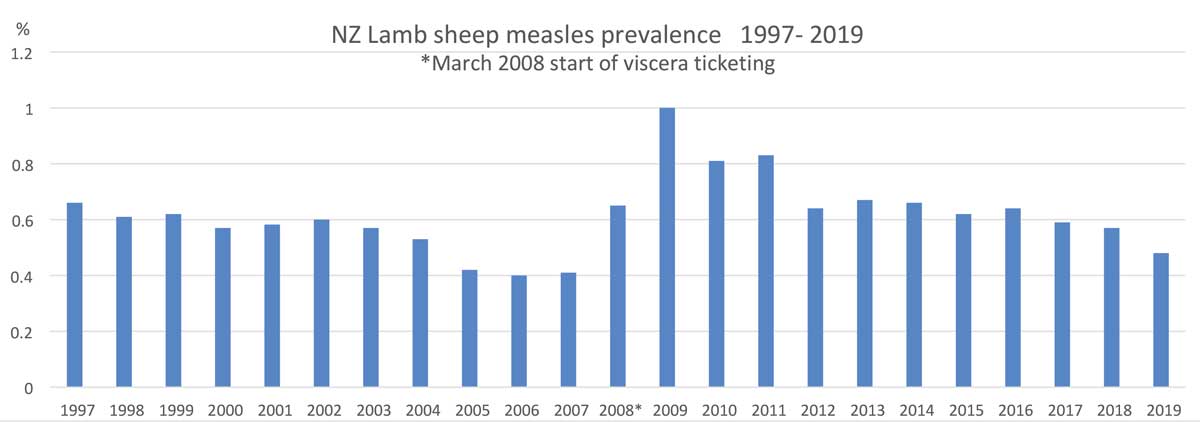
However, Lynch says that’s no cause for complacency as sheep measles remains a quality issue in the marketplace.
Ovis Management has in the last 12 months worked to get its message to a bigger audience by more use of social media, new branding and an updated website.
“The goal, to share the importance of preventing sheep measles, is not just for farmers but other dog owners who may unwittingly allow their dogs to carry and spread the parasite,” Lynch said.
“ ‘Promote, protect and participate’ are the three pillars of the new-look branding. The message is that every at-risk dog, big or small, should be dosed monthly.”
New Zealand now has relatively low levels of sheep measles. An outbreak could cause a lot of damage in otherwise healthy stock.
There are also real financial costs for farmers. At processing, infected animals result in downgrading or, in extreme cases, condemning of sheep or lamb carcases.
With lambing underway in many regions, Beef + Lamb New Zealand is encouraging farmers to put together a wellequipped lambing kit to help minimise lamb losses, particularly in bad weather.
Will a stronger, more coordinated voice help rebuild confidence and improve returns in the wool sector?
The vineyards at Pyramid Farm in Marlborough’s Avon Valley have never been run of the mill, with plantings that follow the natural contours of the land, 250 metres above sea level.
Sheep and cattle numbers continue to decline, and this year's drought hasn't helped, according to Beef + Lamb New Zealand (B+LNZ).
High quality feed, reduced stocking rates and shelter will all help enhance triplet lamb survival and ultimately benefit the bottom line.


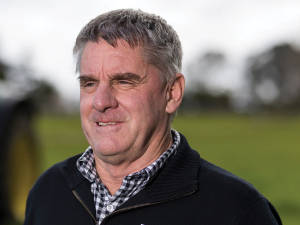
Federated Farmers has welcomed new rural policies released by ACT, saying they align closely with its own election priorities.

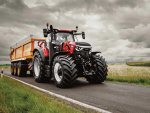
Rural Contractors NZ says proposed changes to land transport rules for agricultural vehicles are a welcome response by the Government to out of date regulations which have seen members hit with huge fines.
Alliance is calling for final applications for its 2027 Graduate Programme, with applications closing on Sunday 25 October.
Decades piloting planes has ensured vet and farmer David Hayes is focused on safety. So, after a serious accident while welding on farm, he is sharing his experience so others can learn from it.
Canterbury milk processor, Synlait Milk has confirmed Leon Fung as its chief executive officer.
OPINION: Making it easier to collect rainwater and use it to grow crops and livestock is a no brainer.

OPINION: The same mainstream media muppets that brought you Jacindamania in 2017 have been flat out pimping for the Opportunities…
OPINION: Your old mate reckons the atrocious way farmers in the UK are treated by their lords and masters in…




