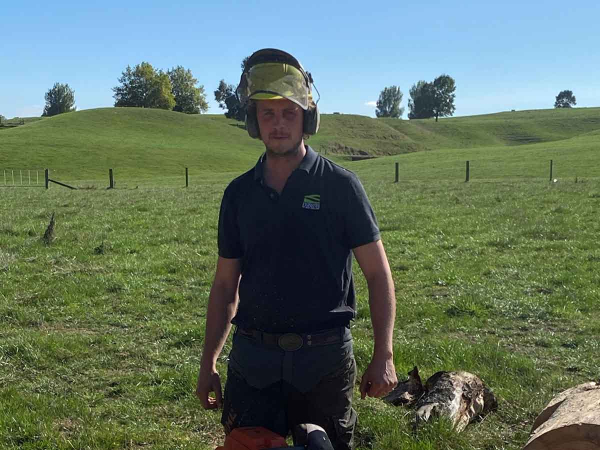
Waikato farmer Ben Moore is urging farmers to have their say on the DairyNZ levy vote, which closes this week.
Moore, the dairy chairperson for Waikato Federated Farmers, says industry-good organisations put in a huge amount of work on behalf of the dairy industry.
“Some farmers may not physically use or think that they benefit from being a financial contributor to these organisations, but that’s a short sighted view,” Moore told Dairy News.
“There is a huge amount of work that goes on that may or may not make a difference to you today, but could possibly in the years to come.”
Having worked in the UK agriculture sector, Moore is able to compare lobby groups that primary producers have at their disposal in New Zealand.
“They provide a huge range of support, be it levy based or membership funded – each organisation different in its own special way.”
The DairyNZ levy is held every six years. This year’s vote closes May 30. Farmers are voting whether they should continue paying a milksolids-based levy to DairyNZ to work on their behalf.
Moore says some farmers moan about the levy vote being “only a yes or no vote”.
He points out farmers had an opportunity to express their views to DairyNZ leaders at a roadshow late last year.
“The mindset of voters always amuses me. Some say, if I vote no then I’m teaching them a lesson, others say they have concerns, but will discuss them with someone after they have voted yes.
“In my view, these are short sighted views.”
Moore believes it is vital for NZ agriculture that it has DairyNZ looking into science-based projects.
“It is vital they are shaping the future of our farming systems and offering guidance and support to farmers with environmental and animal welfare gains.”
But Moore wants a team approach to resolving political issues.
“What I’d like to see is a ‘Team Ag’ discussing politics behind closed doors, fighting it out, agreeing to disagree, picking the good bits of each organisation and then one voice delivers the good or bad news to the Government.
“That voice should not be a levy funded organisation, it should be Federated Farmers who are broad sector.”
'Yes' vote vital
DairyNZ chief executive Tim Mackle says it’s more important in a time of crisis to have a strong industry good organisation.
DairyNZ is holding a levy vote to see whether farmers are willing to continue funding DairyNZ.
At present 3.6 cents/kgMS is levied to fund the organisation and that will continue into next season as well. The vote is held every six years.
The milksolids levy vote for DairyNZ is one simple ‘yes’ or ‘no’ vote for each levy payer. The Commodities Levies Act requires a 50% ‘yes’, by number and milksolids of those that participate in the vote.