Fonterra FY26 Results: $9.69 Milk Price, $3.4bn Profit
Fonterra has unveiled its annual results for the 2026 financial year, posting $27 billion in revenue and close to $20 billion returned to New Zealand farmer owners and unit holders.
 increase font size
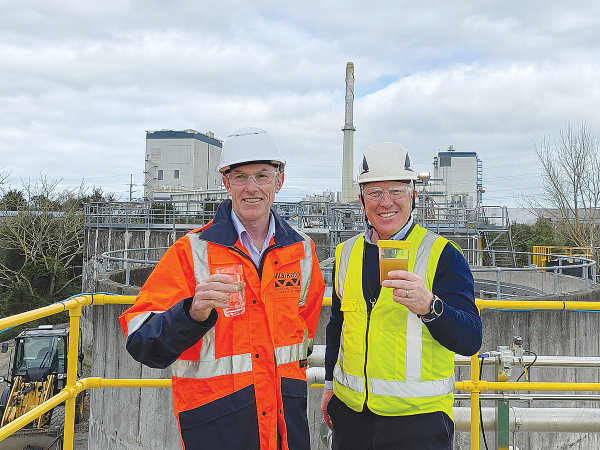 Fonterra chief operating officer Fraser Whineray (right) and Brent Sinclair, Waikato Regional Council at the Te Awamutu plant.
Fonterra is pouring $600 million in the coming years to reduce water use and improving wastewater processing at its milk plants.
The co-operative’s aims to take a leading industry approach on wastewater management.
As part of the upgrade, the co-op is investing $51 million to improve wastewater processing at their Te Awamutu site in the Waikato.
Fonterra Te Awamutu operations manager Russell Muir says the extensive wastewater upgrade is a positive step for the site and is part of the coop’s long-term sustainability goals.
“Reducing water use and improving wastewater at our manufacturing sites is a key part of our long term strategy, and over the next eight years the co-op will invest around $600 million on improvements.
“Our target is to improve wastewater management at our manufacturing sites by taking a leading industry approach.”
Construction on the project began last year, and while Covid-19 has presented some challenges over the course of the project, stage one construction has just been finished and environmental performance has already significantly improved.
This is the second major sustainability project the site has undertaken in recent years. Earlier this year it completed its first season on wood pellets rather than coal – helping the co-op reduce its carbon emissions by more than 11% last year.
The upgrade at Te Awamutu is one of the first wastewater projects being run by a newly established Wastewater Community. This new community is a partnership made up of key industry partners including PDP, Babbage, Beca, Vertex Engineers, Aurecon, Tetra Pak, Fulton Hogan and TEG.
Over the next 10 years, these partners will work together to share knowledge and expertise to make improvements on subsequent projects.
Fonterra says this will ultimately help the co-op to deliver on its environmental promises, by improving its existing wastewater management and performance.
Fonterra general manager water & environment Ian Goldschmidt says the co-op believes that a leading industry approach to wastewater quality requires a truly collaborative attitude.
“We know that we will need to do things differently to achieve our goals and are excited to have developed this crossindustry partnership, bringing together a well-respected group of subject matter experts. Water is precious taonga and it is up to all of us to do our bit to protect this valuable resource for Aotearoa,” says Goldschmidt.
“Throughout the project at Te Awamutu, we will be continuously looking for ways to improve – not only to implement within this project, but to share our knowledge with the wider Wastewater Community team.”
Fonterra has unveiled its annual results for the 2026 financial year, posting $27 billion in revenue and close to $20 billion returned to New Zealand farmer owners and unit holders.
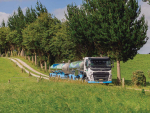
Fonterra Co-operative Group has confirmed the independently assessed candidates standing for election to its board in 2026.
Fonterra has revised its Farmgate Milk Price forecast for the 2026/27 season, lifting the midpoint and narrowing the range on the back of improving global dairy commodity prices.
Outgoing Fonterra Co-operative Council chair John Stevenson says that it has been a privilege to represent the co-op's farmer shareholders.
Environment Minister Nicola Grigg has announced details of a new rural plastics recycling scheme.


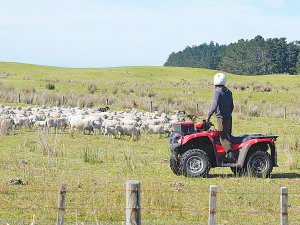
Farmers across parts of Southland and South Otago are continuing to deal with difficult conditions after a prolonged run of wet weather, with pressure building around feed supply, stock management, pasture damage, farm infrastructure and everyday workloads.
Federated Farmers says it welcomes Labour's commitment to reviewing the Sharemilking Agreements Act, calling on other major parties to do the same.
For Canterbury dairy farmers Sian Meijer and Rick Wobben, wearable technology has become one of their most valuable on-farm tools - helping manage 1850 cows across an expansive, high-performing dairy operation while improving efficiency, mating outcomes and day-to-day decision making.
Fonterra has unveiled its annual results for the 2026 financial year, posting $27 billion in revenue and close to $20 billion returned to New Zealand farmer owners and unit holders.
The first major update to the Dairy Cattle Code of Welfare in more than a decade has been released, marking what DairyNZ describes as an important step in ensuring animal welfare standards continue to evolve alongside scientific evidence and on-farm realities.
Ravensdown shareholders have elected Jane Montgomery and Kate Acland to the Ravensdown Board for three-year terms, following a closely contested director election.