Fonterra FY26 Results: $9.69 Milk Price, $3.4bn Profit
Fonterra has unveiled its annual results for the 2026 financial year, posting $27 billion in revenue and close to $20 billion returned to New Zealand farmer owners and unit holders.
 increase font size
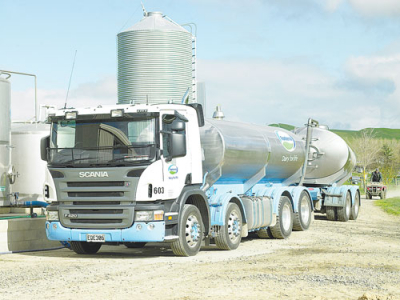 North Island milk collection for the 2018-19 season to that date was up 4% and South Island milk collection up 5%.
Soil moisture is now decreasing nationwide but Fonterra’s latest Global Dairy Update shows milk collection was up 4% to December 31.
For the seven months to December 31 collection reached 914 million kgMS.
North Island milk collection for the 2018-19 season to that date was up 4% and South Island milk collection up 5%.
NZ collections in December were 185m kgMS, 5% up on the same month last season. North Island milk collection in December was 7% higher than December last season and the South Island 2% higher.
NIWA last week said many more ‘hotspots’ – with soil moisture deficits – were seen during the previous week in the North Island.
A large hotspot now encompasses all of Northland and northern Auckland. Another large hotspot covers much of northern Waikato and Coromandel Peninsula. Additional hotspots are in central Manawatu-Whanganui and a small part of Tararua District.
Across the South Island, soil moisture levels generally decreased in northern areas, although small improvements were seen in inland Otago and Southland.
A couple of new, small hotspots have begun to emerge in northern Hurunui District and inland South Canterbury.
Oz collection down
Fonterra's New Zealand result contrasts with the cooperative’s milk collection in Australia for the six months to December 31, which was down 14% on the same period last season.
Australia collections in December reached 13 million kgMS, down 18% on the same month last season.
High input costs and poor seasonal conditions continued, resulting in increased cow cull rates, decreasing the season’s milk production.
Nominations open
Nominations are open for a national award that recognises dairy farmers who farm sustainably.
The Fonterra Responsible Dairying Award, launched last year in the New Zealand Dairy Industry Awards, honours farmers respected by their peers and community. Entry is by nomination only.
The winner could be a supplier to any of NZ’s processors and come from any farm or farming partnership displaying performance and leadership in caring for people, animals, ecosystems and communities.
Rachel Baker, the awards executive chair, says farmers are encouraged to tell how they are farming responsibly -- environmentally and socially -- and to showcase excellence.
“Many of our winners and entrants from our Dairy Trainee, Dairy Manager and Share Farmer awards programmes do this and progress to leadership roles in the industry and their communities.
Fonterra has unveiled its annual results for the 2026 financial year, posting $27 billion in revenue and close to $20 billion returned to New Zealand farmer owners and unit holders.
Fonterra Co-operative Group has confirmed the independently assessed candidates standing for election to its board in 2026.
Fonterra has revised its Farmgate Milk Price forecast for the 2026/27 season, lifting the midpoint and narrowing the range on the back of improving global dairy commodity prices.
Outgoing Fonterra Co-operative Council chair John Stevenson says that it has been a privilege to represent the co-op's farmer shareholders.
OPINION: It seems Canterbury processor Synlait is still in the doldrums.


Federated Farmers says it welcomes Labour's commitment to reviewing the Sharemilking Agreements Act, calling on other major parties to do the same.
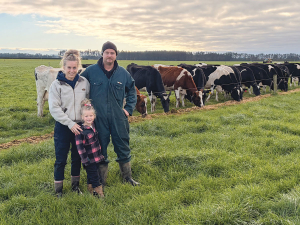
For Canterbury dairy farmers Sian Meijer and Rick Wobben, wearable technology has become one of their most valuable on-farm tools - helping manage 1850 cows across an expansive, high-performing dairy operation while improving efficiency, mating outcomes and day-to-day decision making.
Fonterra has unveiled its annual results for the 2026 financial year, posting $27 billion in revenue and close to $20 billion returned to New Zealand farmer owners and unit holders.
The first major update to the Dairy Cattle Code of Welfare in more than a decade has been released, marking what DairyNZ describes as an important step in ensuring animal welfare standards continue to evolve alongside scientific evidence and on-farm realities.
Ravensdown shareholders have elected Jane Montgomery and Kate Acland to the Ravensdown Board for three-year terms, following a closely contested director election.
Federated Farmers says new legislation replacing the Resource Management Act will cut red tape, unlock investment and help grow New Zealand's export-led economy, after the Planning Bill and Natural Environment Bill passed their third reading in Parliament yesterday.