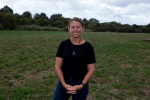
Jo Sheridan is Fonterra Dairy Woman of the Year
Waikato farmer, and Owl Farm demonstration manager, Jo Sheridan is the 2025 Fonterra Dairy Woman of the Year.
 increase font size
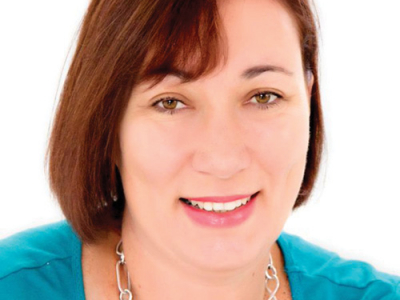 Zelda de Villiers.
Dairy Womens Network (DWN) fills many gaps for women in rural areas, including providing a social network and upgrading their skills, says chief executive Zelda de Villiers.
De Villiers was responding to the findings of a student research project from the Lincoln University Kellogg’s Rural Leadership Programme, by NZ Young Farmers communication manager Nadine Porter.
The survey found 57% of rural women feel isolated, and many find their skills and training from university or career are not being utilised.
DeVilliers points out that DWN, a rural support network with over 9000 members, is increasingly seeing women from other agriculture sectors become members, as well as rural professionals.
“Our 36 groups run 210 events per year, including learning and social events to connect, have fun and support each other.
“DWN is also finding that rural women increasingly connect through social media channels such as Facebook, to stay up-to-date about what is happening in friends’ and families’ lives, and to access industry and local news and events.
“Our live chat sessions are popular and show high levels of engagement. Often we have chat sessions from 7-8pm where women can ask different industry experts questions.
“Within DWN we have recognised that women on farms often don’t have the opportunity to utilise the skills they have been trained in. We have 70 volunteer group leaders able to develop and utilise skills like event management, presentations and facilitation skills, as well as their community leadership skills within the network.
“We also offer paid and volunteer roles to develop and present training to members, project leader positions and conference organising roles.
“We have found that when we ask for expressions of interest from our members for these roles we have many well qualified, passionate and capable applicants applying. [Much] unutilised capacity often resides in rural areas, looking for opportunity to share their skills.
“We encourage rural women who aren’t connected with us to visit our website to find out more.”
Porter’s survey found 57% of the rural women surveyed find isolation their top issue.
Porter is surprised at where women get their support: 75% of respondents find it on social media forums like Facebook.
“This means the way in which rural mothers find support has changed in the technological age. Being able to be honest and be anonymous if they desired, in a forum such as the 6000-strong Farming Mums NZ Facebook page, was mentioned as being attractive by many women interviewed.”
Porter also says 58% of women surveyed were not using the skills they had been trained in, leaving them unfulfilled.
“There is a wasteland of knowledge among rural women that is not being utilised. From university, to a career and then back to the farm where they may not be able to use their skills, a vacuum exists. While the Government is concentrating on bringing new people into the primary industry we need to ask ‘is there a way in which we can use the skills that currently exist but are not being used to their full potential?’ ”
Waikato farmer, and Owl Farm demonstration manager, Jo Sheridan is the 2025 Fonterra Dairy Woman of the Year.

New Zealand’s special agricultural trade envoy Hamish Marr believes the outlook for the dairy sector remains strong.
Dairy Women's Network (DWN) is partnering with two agribusinesses to deliver better management tools for its members.
Dairy Women’s Network (DWN) recently celebrated 25 years with 70 of its members and partners, past and present, at an event at Red Barn, Waikato.
Donna Cram, a fourth-generation dairy farmer from Taranaki, has been named the 2023 Fonterra Dairy Woman of the Year.


Minister of Conservation Hon Tama Potaka has appointed Susan O'Regan as Chair of the Queen Elizabeth II National Trust (QEII) for a three-year term.
Red meat farmers are welcoming Labour’s plan to review the Emissions Trading Scheme and not to campaign on pricing agricultural emissions.
Where any worker in the kiwifruit industry is mistreated, we expect the authorities to take action.
Mid Canterbury Federated Farmers arable chair, Bevan Lill, said Beef + Lamb NZ data indicated that for the last six years, the average arable return on investment was about 0.8% while inflation ran about 4% - so the average arable farm was going backwards at about 3% a year.
Seed and grain companies share the concerns of arable farmers about the viability of their sector, says Seed and Grain New Zealand chief executive Dr Sarah Clark.
The New Zealand Institute of Forestry (NZIF) says unnecessary changes to New Zealand’s Emissions Trading Scheme (NZ ETS) will seriously erode investor confidence and result in significant reductions in forest planting rates.