BCS Targets: Why Body Condition Score Matters at Calving
Body Condition Score (BCS) is a critical element in managing the health and reproduction of the dairy herd.
 increase font size
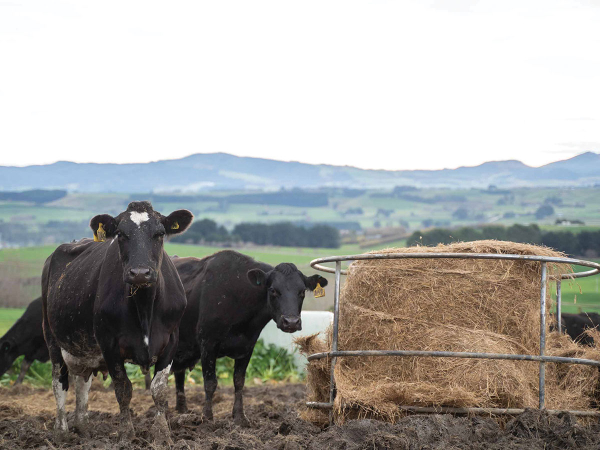 What happens in the dry period affects cow condition, calving-recovery, milk peak and fertility.
The dry period isn’t just a farm holiday but a chance to get your herd match-fit for calving and early lactation. If you treat it as a focused phase of preparation, recovery and capacity building, you’ll see the benefits when the cows return to milk.
Using the dry period to your advantage
What happens in the dry period affects cow condition, calvingrecovery, milk peak and fertility. Good management reduces early-lactation disease, speeds appetite recovery and cuts treatment time and days open. Using the dry period well allows cows to rebuild energy and protein stores, top up minerals (especially calcium and phosphorus), renew milk-secretory cells and restore liver capacity.
Key factors that affect calving readiness
Checklist
Here is a simple dry-cow checklist. It is good practice to run through it each week and record your findings so you can refer back to it:
Common pitfalls to avoid
Watch behaviour as much as numbers - steady cud-chewing/rumination, firm manure consistency and cows that are standing off the fresh feed are good signs. Signs to act on include a significant reduction in rumination, variable milk fat after calving, or cows that lose a lot of condition in early lactation.
Small changes early are easier and cheaper than fixes after calving. Adjust rations in small steps, keep mobs stable, and flag cows that need extra attention well before the expected calving window.
Chris Balemi is Agvance Nutrition founder and managing director.
Body Condition Score (BCS) is a critical element in managing the health and reproduction of the dairy herd.
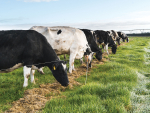
There's a common assumption that effective transition cow management is only practical for high-input farms, as controlled rations can make delivery simpler.
Giving calves the best possible start to life has been shown to boost growth and resilience.
The first weeks of a calf's life quietly shape the future of the entire herd.
In calf rearing, the smallest details often have the biggest impact. While feed and genetics remain critical, bedding is increasingly recognised as a key driver of calf health, growth, and overall performance.

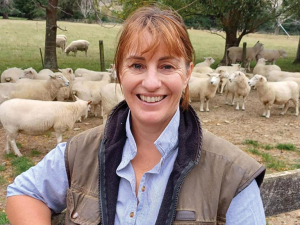
B+LNZ's Wormwise veterinarian Mary Bowron has won the Best Sheep and Beef Vet of the Year Award in recognition of her outstanding contribution to New Zealand’s sheep and beef sector.
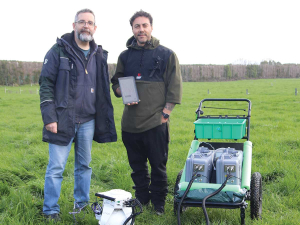
Researchers at Massey University are using a special piece of scientific equipment to improve the measurement of greenhouse gas emissions from pasture soils.
More signs of a booming kiwifruit sector.
OPINION: David Seymour and James Meager's plan to make it easier for farmers and orchardists to operate drones can best be described a 'courageous' move.
New Zealand wool is reaching new heights as air filtration companies move away from synthetic products to biodegradable alternatives.
Opuha Dam's ability to protect South Canterbury communities from major flooding has taken a significant step forward, with Opuha Water Limited (OWL) successfully commissioning a new outlet valve capable of releasing record volumes of water from the dam ahead of a weather event.