BVD Control Begins Long Before You See A Problem
Bovine Viral Diarrhoea (BVD) is sometimes viewed as a dairy industry issue, but the reality is that the disease can have serious consequences for beef breeding herds as well.
 increase font size
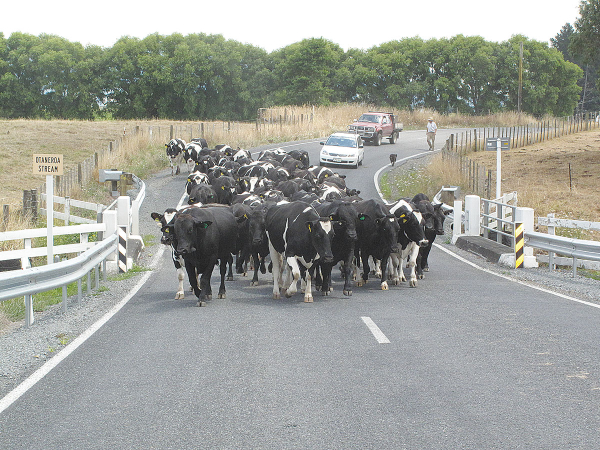 For some, Moving Day not only involves shifting a household of belongings, but it also involves relocating farm equipment and animals.
Moving Day is a big day in the farming calendar and requires good planning and communication to ensure success.
For some, Moving Day not only involves shifting a household of belongings, but it also involves relocating farm equipment and animals. Early preparation is important, as is clear communication with your team, whether they are contractors, friends, or family, regarding your plans and expectations. Careful consideration must be given to animal movements, and all farm equipment and machinery should leave the farm in a clean and disinfected state to manage health and biosecurity risks.
Ensure sharemilker/contract milker contracts are signed by both parties and a farm inspection with new farm owner, incoming and outgoing sharemilkers, farm manager, farm advisor has been planned.
Determine your staffing needs for your new farm, start recruiting for required staff and ensure signed employment agreements are in place, alongside signed service tenancy agreements for any employees who will live on farm.
Ensure anyone coming onto the farm hasn't been overseas in the past seven days to reduce the risk of introducing exotic organisms, especially if they have been travelling to countries with foot and mouth disease (FMD) and have been in contact with FMD-susceptible animals (e.g. farmed or wild cattle, sheep, goats, pigs, deer, llamas, alpacas).
Communicate regularly with the people on your existing farm and the people who will be on your new farm about your plans - dates, key information etc. Ensure staff have enough time to be prepared, pack and clean in the weeks leading up to moving. If necessary, adjust rosters and hours of work.
Get in touch with your insurer well before the move - there might be more things to discuss than you think. It's a good idea to know the physical address, building details, any plant or machinery details, and the details of your sharemilking or contract milking agreement if applicable.
Contact your utility providers (e.g. power, internet, etc.) and ensure you will be disconnected and reconnected on the right dates. Take and record final power meter readings for all houses at both propeties.
Farm Owner
A farm owner is responsible for:
Sharemilker
Sharemilker and contract milkers are responsible for:
Contract Obligations
Ensure all body condition score (BCS), pasture cover targets or supplements on hand will be met as per the contract on takeover date. If they are not going to be met, have a proactive conversation with the other party as to what arrangement can be made to compensate:
Understand new resource consent management requirements of new property (e.g. recording monthly water use, completing compliance forms for environment).
Bovine Viral Diarrhoea (BVD) is sometimes viewed as a dairy industry issue, but the reality is that the disease can have serious consequences for beef breeding herds as well.

Animal health company Bovonic is gearing up for its next stage of growth after increasing New Zealand sales of QuadSense by more than 50% in the last 12 months, including a record quarter for the business this year.
With lambing underway in many regions, Beef + Lamb New Zealand is encouraging farmers to put together a wellequipped lambing kit to help minimise lamb losses, particularly in bad weather.
Bovine Viral Diarrhoea (BVD) remains one of the most significant infectious diseases affecting New Zealand dairy herds.
Bovine Viral Diarrhoea (BVD) is sometimes viewed as a dairy industry issue, but the reality is that the disease can have serious consequences for beef breeding herds as well.


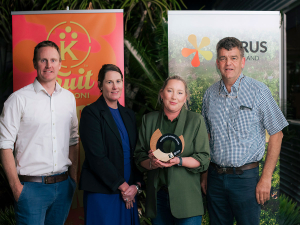
New Zealand's citrus growers were challenged to build their future on the value embedded in their fruit rather than the volume they produce, at Citrus New Zealand's annual gathering in Gisborne on 17 September.
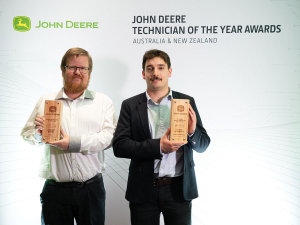
Leading John Deere technicians and apprentices from New Zealand and Australians were recognised at the recent sixth annual JD Technician of the Year Awards, held in Brisbane.
In Dacre, near Invercargill in New Zealand’s South Island, Bruce Dinnington is running a dairy operation unlike any other.
A free online platform aggregating governance vacancies across rural and regional New Zealand has been launched.
Environment Minister Nicola Grigg has announced details of a new rural plastics recycling scheme.
Agricultural drone operators say that a government decision to allow lower-risk drone work without certification won’t lower standards but drive innovation and efficiency.