NZ Food Safety Boss on Balancing Speed and Risk in Approvals
Striking a balance between meeting the needs of industry to speed up approval time for products but on the other hand ensuring that risks are properly assessed.




 increase font size
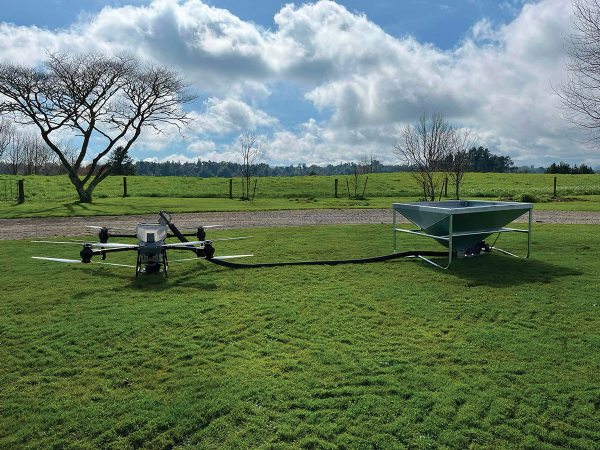 New drone regulations announced by the Government have faced both praise and criticism.
Agricultural drone operators say that a government decision to allow lower-risk drone work without certification won’t lower standards but drive innovation and efficiency.
The Agricultural Drone Association, which represents 130 members – about half of New Zealand’s certificated agricultural drone operators – says it has been calling for reforms.
“This is what we asked for,” says ADA president Craig Simpson.
“We raised this topic with the Minister only two weeks ago, so we’re very pleased to see today’s announcement.
“New Zealand usually leads in agricultural technology adoption but current regulation slowed drone uptake and put us behind the rest of the world. This change will help accelerate the innovation we are internationally known for.”
But the Aviation Industry Association of NZ whose members include commercial drone operators say the new reforms are rushed and could put public safety, the environment and other air space users at risk.
The association claims they were blindsided by the announcement and say the changes do not provide the fit-for purpose safeguards needed for this activity and could increase the risk of serious injuries, fatalities and environmental damage.
Executive Officer of NZAAA, Tony Michelle, says agricultural drones must not become an unregulated pathway for aerial agrichemical application.
He says poorly managed operations can cause damage to other crops and infrastructure, breach environmental and regulatory controls, and jeopardise NZ’s reputation for safe, high-quality primary products.
“That reputation underpins access to valuable export markets,” he says.
Michelle says a national standard is urgently needed to set clear minimum requirements for pilot training, competency, chemical handling, maintenance, modifications, reporting and operational practice.
“Blanket certification for every low-risk landholder operation may be unnecessary but allowing untrained or poorly supervised operators is an unacceptable risk. Regulation must be proportionate to risk, supported by licensing, regular competency checks, compliance oversight and accountability,” he says.
Associate Transport Minister James Meager announced what he called common-sense reforms to drone regulations.
The new regulations will come into effect mid-2027, following detailed design and engagement, Meager says.
The Government is scrapping requirements for lower-risk routine drone operations to apply and wait for certification before starting work, which can take up to nine months and cost thousands of dollars. Only a notification to the Civil Aviation Authority ahead of time will be needed.
This will cover routine activities such as spraying of pesticides and herbicides and the distribution of fertiliser, lime, seeds and manures across cropland, pasture, orchards, vineyards, market gardens and forests, says Meager.
Meager also stressed that pilot certification remains.
Chemical handling competency still applies. Certification would still be required for complex and higher-risk work. Spraying from aircraft and helicopters is unaffected.
He says that draft proposals will go out for consultation and decisions made after robust scrutiny by the aviation and farming sector.
He rejected concerns around spray drift, arising from inexperienced farmers and operators handling drones.
Meager says farmers understand the rules.
“They can be trusted to use farm machinery on their farm for pretty straightforward operations.
“Agricultural drones are serious pieces of equipment. Nobody is pretending otherwise. But they are also serious farming tools. It is time our regulations treated them that way.”
Striking a balance between meeting the needs of industry to speed up approval time for products but on the other hand ensuring that risks are properly assessed.
OPINION: David Seymour and James Meager's plan to make it easier for farmers and orchardists to operate drones can best be described a 'courageous' move.
There's been widespread support from the primary sector for the Government's announcement on changes to freshwater farm plans that come under the Natural Environment Bill, which is now set to replace the existing RMA.
The chair of the country's environmental regulator, the Environmental Protection Authority (EPA), says changes are already under way to improve the performance of the agency to better meet the needs of those who interface with them.
New Zealand's Emissions Trading Scheme (NZ ETS) encourages afforestation while not achieving climate goals, says a new report released by the Parliamentary Commissioner for the Environment, Simon Upton.


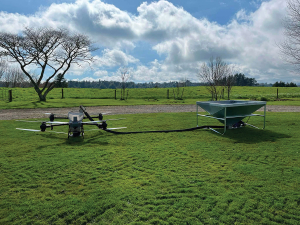
Agricultural drone operators say that a government decision to allow lower-risk drone work without certification won’t lower standards but drive innovation and efficiency.
Farmgate lamb prices are down by 8%, beef cattle by 4.5% and farm expenditure up by 4.2%.
Kiwifruit growers are watchful but remain optimistic as concerns around the potential effects of the El Niño weather pattern this season.
Almond hulls sourced from Australian orchards may have the potential to help New Zealand cows reduce emissions, boost milk yield and lower input costs.
Striking a balance between meeting the needs of industry to speed up approval time for products but on the other hand ensuring that risks are properly assessed.

OPINION: The same mainstream media muppets that brought you Jacindamania in 2017 have been flat out pimping for the Opportunities…
OPINION: Your old mate reckons the atrocious way farmers in the UK are treated by their lords and masters in…