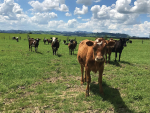
Liver damage caused by Facial Eczema severely impacts animal welfare and productivity, yet many farmers are not sufficiently supplementing their cows to protect against it.
For most of us nowadays, the thought of lambs’ fry for dinner is most unappetizing. However, while not everybody’s favourite from a culinary perspective, the importance of this organ found in vertebrates cannot be overstated.
The liver performs a vast of number important functions vital to the very existence of production animals and dairy cows are no exception.
Every day, it removes high concentrations of toxic ammonia gas (an end product of rumen fermentation) from the blood draining the gut. In addition to this, it manufactures large quantities of glucose (in excess of 2 Kgs daily in high producing cows) needed for lactose and milk production.
It is therefore no surprise that liver damage caused by Facial Eczema (FE) severely impacts both animal welfare and productivity.
Unfortunately, while most farmers in high-risk areas provide oral supplementation with zinc salts to mitigate the effects of FE, research conducted several years ago on over 100 dairy farms concluded less than 30% of cows being supplemented with zinc had levels within the ‘protective range’. Furthermore, 32% of all farms where cows were tested had evidence of liver damage attributed to FE even if visible signs weren’t obvious.
This highlighted a widespread breakdown in FE protection on many susceptible farms of varying severity. To add insult to injury, the visual signs of FE were not always obvious to the herd managers.
So what does this mean for you? Here we have a disease that has been estimated to cost the industry up to $100 million per annum if allowed to inflict maximum damage and as outlined above, we still don’t seem to have it controlled properly.
Thankfully, this year the FE season has not yet ‘ramped up’ and the majority of milking cows at this stage will not be ingesting excessively high levels of toxic spores. So, there is still time to undertake a review of your farm protection policy and ensure you’ve got sufficient protection in the system.
For those farmers not confident there is sufficient zinc being delivered, further assurance can be provided by blood sampling 10 – 15 cows in the herd to verify serum zinc blood levels.
If you are farming in an FE area, it is crucial to both animal welfare and productivity to make sure you have a robust protection plan in place.
If in doubt, check your plan with your Veterinarian.
• Greg Jarratt is a vet and director of Matamata Veterinary Services.
This article is brought to you by J. Swap Stockfoods.