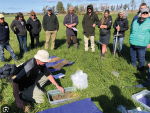
Catch the Rain: B+LNZ Trials Boost Soil Infiltration
Beef + Lamb NZ funded research has shown that some simple changes to pasture management could help farmers make better use of rainfall and build resilience before dry conditions hit.




 increase font size
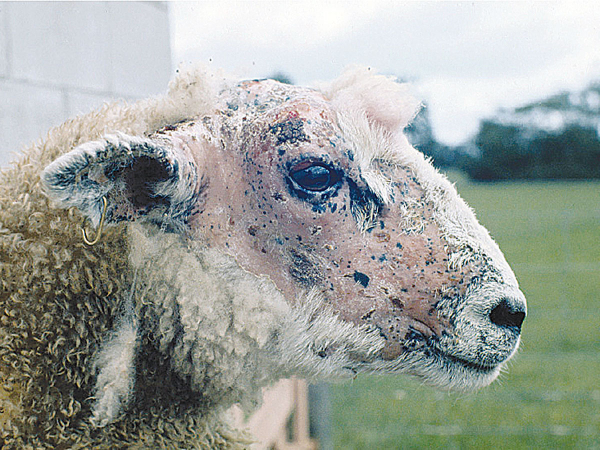 The study has also revealed early signs that elevation, pasture height, and even your neighbour’s spore counts influence FE risk.
Beef + Lamb New Zealand (B+LNZ) is calling on farmers from all regions to take part in the final season of the Sheep Poo Study aiming to build a clearer picture of how facial eczema (FE) affects farms across New Zealand.
B+LNZ principal scientist Dr Cara Brosnahan says farmer involvement is crucial.
"We're closer than ever to understanding where FE is occurring in New Zealand. With farmer input, we can find the tools that really work, and your farm could help complete the puzzle."
Now entering its third and final year, the Sheep Poo Study is part of the wider Eliminating Facial Eczema Impacts programme. Over the past two seasons, the study has revealed that FE spores aren’t just a North Island problem as they’ve consistently been found as far south as Otago.
“FE risk isn’t just seasonal or regional,” says Brosnahan.
“We’ve seen spore activity stretch into May and June, and it’s not confined by geography. We’ve had reports of clinical FE in every region from Northland to the West Coast of the South Island.”
The study has also revealed early signs that elevation, pasture height, and even your neighbour’s spore counts influence FE risk. Researchers are looking to confirm these relationships in the study’s final season.
Participation is free and simple. Farmers collect sheep poo samples every two weeks from October to May, with B+LNZ providing kits and covering postage. Farmers will receive results to better understand their FE risk, a $40 subsidy on faecal egg counts tested by Awanui Veterinary and the chance to be one of 25 farms selected for monthly FEC and larval culture testing from October to May.
Brosnahan says the final season is critical.
“We need more farmers to take part, especially if they’ve never had FE detected on their farm before; those results help build our understanding of this devastating disease.”
By joining, farmers will not only protect their own flocks but also contribute to a national solution for a disease that costs the sector over $330 million each year.
Registration is available at www.beeflambnz.com/sheeppoostudy
Beef + Lamb NZ funded research has shown that some simple changes to pasture management could help farmers make better use of rainfall and build resilience before dry conditions hit.

Beef + Lamb New Zealand (B+LNZ) says it welcomes the passage of the Natural Environment Bill and Planning Bill, calling the bills a positive step for sheep and beef farmers.
If you're thinking about investing in ways to push feed forward, this is the year to do it.
B+LNZ's Wormwise veterinarian Mary Bowron has won the Best Sheep and Beef Vet of the Year Award in recognition of her outstanding contribution to New Zealand’s sheep and beef sector.
With lambing underway in many regions, Beef + Lamb New Zealand is encouraging farmers to put together a wellequipped lambing kit to help minimise lamb losses, particularly in bad weather.

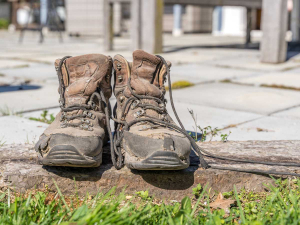
Safer Farms is urging farmers to make sure everyone working on farm has safe, suitable footwear for the job.
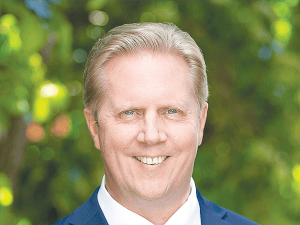
The Government is backing work on a community-led water storage scheme that could irrigate up to 11,000 more hectares of the Poverty Bay flats, Agriculture Minister Todd McClay says.
Agri-tech company Herd-i has become a new all-region sponsor of the New Zealand Dairy Industry Awards (NZDIA), the largest nationwide celebration of excellence in the dairy sector.
Four candidates have been confirmed for two director positions on Fonterra’s board.
Returning to the family dairy farm after playing 20 years of professional rugby around the world is no easy task.
After delivering another record farmgate milk price to 100 supplying farms, independent milk processor Tatua is entering thee new financial year with a positive outlook.


OPINION: The same mainstream media muppets that brought you Jacindamania in 2017 have been flat out pimping for the Opportunities…
OPINION: Your old mate reckons the atrocious way farmers in the UK are treated by their lords and masters in…




