Pain relief for lame cows a game changer
The traditional method to approach lameness involves corrective trimming of the affected area.
 increase font size
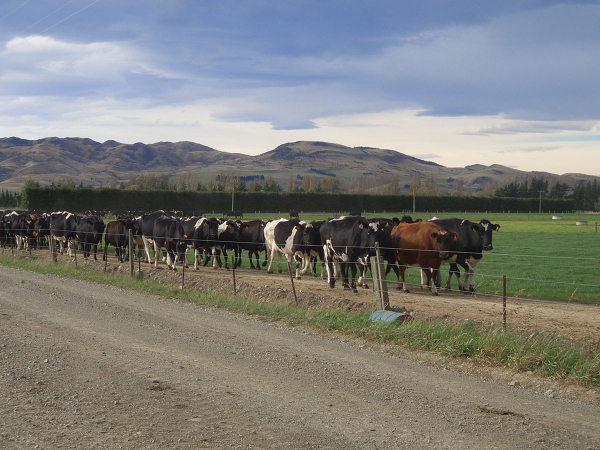 Catching lameness early and treating it promptly gives a cow the best shot at a quick, full recovery.
Lameness takes toll on cows and farm performance. A lame cow produces less milk, loses condition and takes longer to cycle. The good news? Catching it early and treating it promptly gives her the best shot at a quick, full recovery — and helps keep your herd’s productivity on track.
Despite this, lameness remains one of the hardest issues to get on top of.
More than 80% of lameness in New Zealand dairy cows is caused by claw horn lesions (white line and sole disease). These injuries are hard to spot early and slow to heal. The longer a cow stays lame, the greater the inflammation in the hoof, which can lead to permanent damage. This increases her risk of further lameness down the track. A previous case is one of the biggest risk factors.
Around calving, changes in the hoof make cows more vulnerable to lameness. The fat pad thins, and the ligaments relax, leaving the corium (the soft tissue inside the hoof) more exposed to damage. This is known as the calving effect.
When combined with other cow, management and environmental risk factors, it can significantly raise the risk of lameness. If left untreated, inflammation in the corium can lead to permanent changes in hoof structure, increasing the chance of ongoing or future issues.
Reducing lameness starts with understanding how often it’s happening, and what’s causing it. Benchmarking your lameness levels against similar farms can help show whether there’s more going on than you realise.
Recording cases helps build that picture, so you can spot patterns and identify risk factors like cow condition, calving timing or track quality. With that insight, it’s easier to move from reacting to problems to preventing them. That saves time and money, and most importantly, spares your cows unnecessary pain and disruption. It also helps you have better conversations with your vet or hoof trimmer when you need a second opinion or extra support.
Simple recording tools, even just a notebook or spreadsheet, can make a big difference. Some use apps or a shed whiteboard to keep track. Staff training is just as important. Making sure everyone knows how to spot early signs of lameness and respond quickly helps keep the whole herd in better shape, and lifts animal care across the board.
The Three 'Es'
Spotting lame cows is just the first step – acting quickly is what makes the difference. Ideally, cows should be examined and treated within 48 hours of being identified, or within 24 hours if they’re severely lame.
If the numbers feel overwhelming, bring in support. Your vet or hoof trimmer can help get things back on track, so you can stay focused on the rest of the herd.
Effective treatment starts with getting the hoof off the ground. Trimming helps identify the cause and relieve pressure. Use a wooden or rubber block, or a Cowslip, to take weight off the affected claw and help it heal, unless it’s not suitable in the situation.
The traditional method to approach lameness involves corrective trimming of the affected area.
According to the DairyNZ’s lameness cost calculator, lameness costs over $500 per lame cow – due to lost production, having to withhold milk from treated animals or reproductive problems.
DairyNZ has calculated that the cost of lameness in a 550-cow herd with 20% lame cows per year amounts to direct and indirect costs of $750 per cow.
Early detection of lameness is a crucial factor in maintaining a profitable and healthy dairy herd.
Lameness in dairy cows can have a significant effect on a businesses' bottom line, with vets suggesting that each case has a cost implication of $400-500, made up of increased labour, vet bills, drugs and of course lost production.
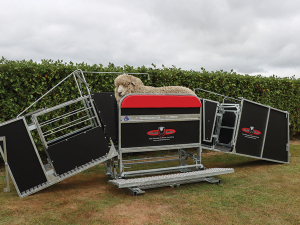
Oamaru-based livestock handling specialist Te Pari has bought Combi Clamp, the New Zealand manufacturer of Combi Clamp manual sheep handlers.

Agriculture Minister Todd McClay has admitted that a scheme bringing workers from Pacific nations to work on orchards has become too hard to navigate but says changes are coming.
A new app designed in New Zealand aims to help sheep, beef and deer farmers capture, analyse and use body condition score data more effectively.
Canterbury farmer Andy Macfarlane has been appointed to the board of AgriZeroNZ, the public-private partnership designed to accelerate the development and deployment of emissions reduction tools for New Zealand farmers.
For over 50 years Mel Ewers has been supporting the apple sector navigate through compliance and quality assurance issues.
The apple sector is enjoying a bumper harvest season.