Leptospirosis is one of the most significant health threats to New Zealand dairy herds and the families who work with them.
Putting simple control measures in place, including vaccinating calves early, is key to protecting humans and animals against this serious and costly disease.
An infectious bacterial disease, spread mainly through urine, leptospirosis can cause devastating losses in stock: abortions, weak or stillborn calves, milk drop, mastitis, and even sudden death in young animals.
For humans, infection can result in anything from flu-like symptoms to life-threatening kidney and liver damage. Two thirds of people diagnosed with leptospirosis will be hospitalised and many still describe ongoing symptoms, such as severe fatigue, eight months after getting sick.
People can catch leptospirosis when they are exposed to leptospires, which are shed in the urine of infected animals.
Leptospires thrive in wet environments, especially in warm humid conditions, and can be transferred to people or animals via their eyes, nose, mouth or skin wounds.
There are different types of leptospirosis-causing bacteria, known as serovars, which behave differently, so it is important to understand the most common serovars in order to protect your farm.
The most common leptospirosis serovar in both humans and livestock in New Zealand is Hardjo. Infected cows shed Hardjo in their urine for up to two years, yet they often appear outwardly healthy.
Vaccination of livestock, use of personal protective equipment such as milking gloves, and personal hygiene (e.g. covering cuts, hand washing) are simple but effective ways to protect people on your farm against Hardjo infection.
Ballum is the second most common serovar causing leptospirosis in people. Rather than livestock, Ballum is carried by pests such as rats, mice, and hedgehogs, highlighting that an effective pest control programme is another crucial piece of the leptospirosis control puzzle.
Farmed livestock and dogs can be vaccinated against leptospirosis. The success of your farm’s vaccination plan depends on the use of effective vaccines, vaccinating animals before they are exposed to leptospirosis, and keeping up with booster vaccinations every year.
Proven vaccines for New Zealand dairy farms
Early leptospirosis vaccination is safe, effective, and the best way to protect your herd and your family.
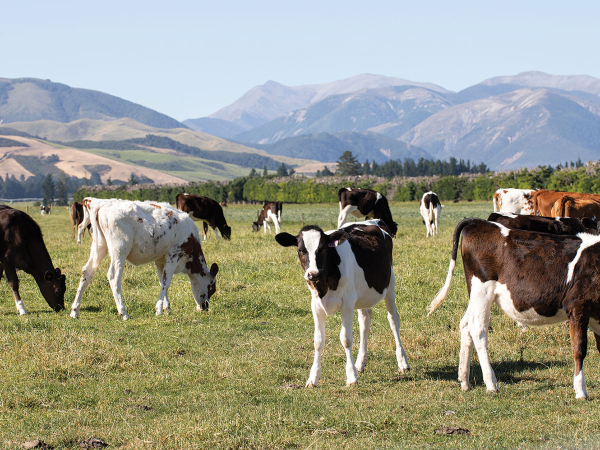
Research from New Zealand dairy farms has shown a link between the age at which calves are first vaccinated and the risk of leptospirosis in the herd. Farms that vaccinate calves before six months old, ideally starting at four weeks old, have lower rates of leptospirosis shedding in the urine of dairy cows.
Delaying vaccination until calves are six months or older leaves a dangerous gap, as calves are susceptible to infection well before this point. Infected cattle can shed leptospires in their urine for up to two years, often without showing signs of illness, posing a risk to both humans and animals. Early vaccination closes this window, preventing calves from becoming silent carriers, and helping break the cycle of infection on your farm.
Risk of leptospirosis is highest when the environment is wet, but changing weather patterns can make wet conditions hard to predict. The best way to ensure protection is to use a vaccine that will guard animals against leptospirosis for a full year. Ultravac 7in1 and Leptoshield are both proven in clinical trials to prevent shedding of leptospires in urine for 12 months. Ultravac 7in1 is the only combination leptospirosis and clostridial disease vaccine in New Zealand, making it a practical vaccine choice for calves. Clinical trial work has demonstrated it is effective against leptospirosis for calves vaccinated from four weeks of age.
All livestock classes need yearly booster vaccinations for lifelong protection against leptospirosis. Boosters are typically administered in autumn for peak protection during wet weather, when infection risk for livestock is highest.
- Article supplied by Zoetis