New Dairy Holdings CEO Backs Self-Contained Model
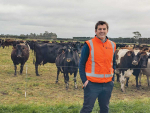
Running a tight and self-contained ship is the key to the success of the country's largest dairy farmer, says Blair Robinson, the new man at the helm of Dairy Holdings.
 increase font size
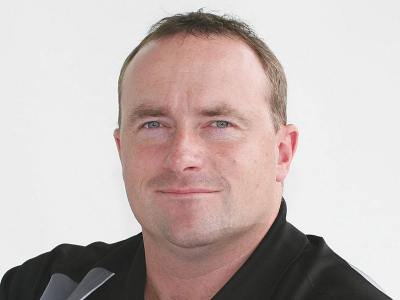 Dr John Roche.
Almost all the recommendations from two reviews of the Mycoplasma bovis programme have been accepted, after the ‘surge in activity’ leading up to this year’s moving day.
The surge arose because of a backlog in tracing animal movements, which had gone essentially unnoticed and was not fully realised until April.
The reviews were commissioned to look into the cause and possible impacts of the backlog, and recommend how the programme could improve its systems and processes.
One was done by MPI’s chief science advisor Dr John Roche. The other was an independent review commissioned by DairyNZ and done by South Australia animal disease management expert Dr Roger Paskin.
The independent Technical Advisory Group has also been asked to consider the impact of the backlog and is expected to report back soon.
Roche’s review found that the backlog, although smaller than first thought, was due to issues with managing the flow of information between functions, and in the disease management team’s structure and resourcing.
While it may have allowed some further spread of the disease, Roche did not believe it had harmed the chances of successfully eradicating M. bovis.
Paskin identified issues related to the programme structure, staffing, training, management and supporting tools. He said the primary issue was an accumulation of traces to and from infected properties which had not been followed up, in some cases, for about seven months.
Recommendations
Together, Roche and Paskin’s reports made 43 recommendations to improve the systems and processes within the M. bovis programme.
These include greater regional decisionmaking, the importance of farmer involvement and improving structures, systems and resourcing.
Many of the suggested changes are already underway, e.g. enabling greater regional decisionmaking and better data management systems) and almost all the other recommendations have been accepted.
MPI director-general Ray Smith said the two reviews had provided concrete ways to improve the programme’s systems and processes.
“We’re very sorry for the impact this has had on affected farmers, and that we had to take the action we did at a busy time of year for many of them.
“The programme is working hard to implement the recommendations of the reviews, starting with enabling more regional decisionmaking.”
Running a tight and self-contained ship is the key to the success of the country's largest dairy farmer, says Blair Robinson, the new man at the helm of Dairy Holdings.
OPINION: It's no surprise that "world-class biosecurity" continues to dominate as the top priority for agribusiness leaders, holding the number one spot for the 16th consecutive year in KPMG's latest agribusiness report.
Compensation assistance for farmers impacted by Mycoplama bovis is being wound up.
New Zealand's world-first Mycoplasma bovis eradication programme is making great strides but this isn't the time for complacency, says Ospri.
A national pest management plan to eradicate Mycoplasma bovis (M. bovis) will come into effect by the end of this year.


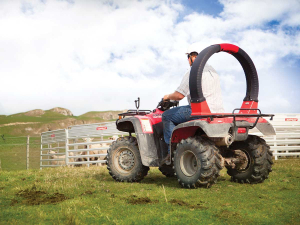
When Northland leather worker Vernon Suckling started making horse saddles 50 years ago, quad bikes and side-by-side vehicles were unheard of.
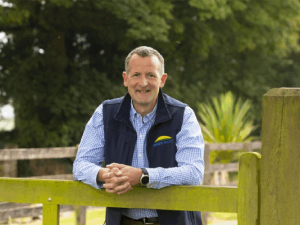
Alliance Group has confirmed that eligible farmer-shareholders who supply and continue to back the business will receive up to $20 million later this year, following the strategic investment partnership with Dawn Meats.
With a general election under five weeks away, Rural News is asking major political parties about their policies and positions on key issues facing the primary sector. We will run their responses to each question over the next four weeks. The ACT Party and the Greens didn't respond in time.
The red meat sector is in great heart.
Dr Scott Champion, Foundation for Arable Research chief executive, says that everyone in the supply chain had a role to play in driving the sector's long-term success.
Entries opened on Monday, 5 October 2026 for the 2027 New Zealand Dairy Industry Awards (NZDIA), which organisers describe as the nation's biggest celebration of excellence in the dairy sector.