BCS Targets: Why Body Condition Score Matters at Calving
Body Condition Score (BCS) is a critical element in managing the health and reproduction of the dairy herd.
 increase font size
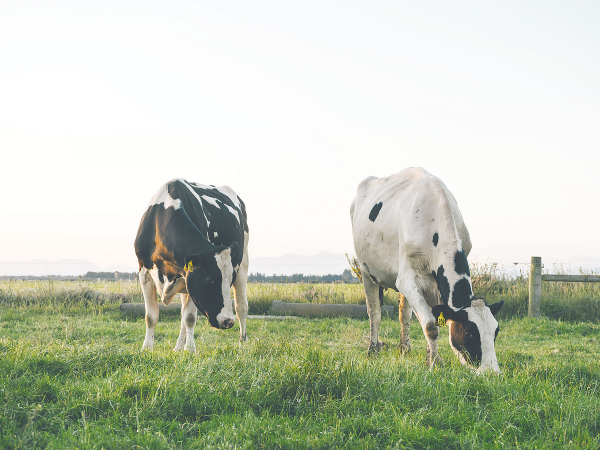 The health and efficiency of the rumen directly impacts how well the cow performs through the challenges of mating and reproductions.
As we head into the latter half of the year, many farmers will be starting to think about mating season for their cows.
It's no secret that animals in peak condition will achieve the best results during this time, but sometimes it can be a challenge to get them there. Often the primary challenge is to ensure that the animal is receiving the correct mix of nutrients required to balance out their diet.
All feed management and supplementation in dairy cattle should be targeted at maintaining healthy rumen performance.
The rumen, along with the reticulum and the omasum, are the fore stomachs of ruminant animals. These compartments are designed to mix, regurgitate and then ferment and digest fibrous materials such as grass and silages, and more recently grain-based concentrates.
The management of minerals and vitamins during this time is an important key to the successful mating and reproduction results of your cows.
The health and efficiency of the rumen directly impacts how well the cow performs through the challenges of mating and reproduction. A cow with suboptimal rumen performance will be at much higher risk of being an empty cow at the end of the season.
Successful management of nutrition across the whole season will ensure effective herd reproductive performance, and healthy rumen function is key to the success of every milestone the cow must achieve throughout the season. Along with nutrients of bacteria created during the process of rumination are a major nutrient source for ruminants. The bacteria is digested further down the gastrointestinal tract, supplying the all-important bypass protein requirements.
Along with balanced nutrition, the other most important issue around rumen performance is maintaining stable rumen pH diets throughout lactation, especially as these can often lack in the lead up to mating season.
To ensure good mating performance, diets need to be formulated to balance rumen pH. This may require higher levels of quality fibre, rumen buffers, or a combination of both. The period of mating should also be considered as the months leading up to mating as well as the first trimester of the pregnancy. Any lack of nutrition or imbalance in rumen pH during this period will potentially compromise the pregnancy.
Regularly checking the body condition score to ensure that your cows have enough energy during this time is crucial. Dropping by more than 1 condition score during mating season can mean the difference in successful or unsuccessful conception rate for your herd.
Two ways to ensure this doesn't happen is to either increase the energy supply available to your cows with supplementary feeds and paddock rotation, or to decrease their energy demand by going to a once-a-day milking.
Improving the reproductive performance of your cows will no doubt make a significant impact to the management of your farm. Though every farm is different and requires a slightly different plan for mating season, one thing remains the same across the board - the nutrition requirements of your cows. Getting this right and effectively managing your herd's nutrition throughout mating season is a logical and effective way to help bolster reproductive success for your farm.
Chris Balemi is managing director of Agvance Nutrition Limited.
Body Condition Score (BCS) is a critical element in managing the health and reproduction of the dairy herd.
There's a common assumption that effective transition cow management is only practical for high-input farms, as controlled rations can make delivery simpler.
When a cow goes down after calving, it is easy to blame the calving itself. Milk fever, calving stress, poor weather, bad luck. Yet many down cows are not caused by one dramatic event. They are the end result of poorly transitioned cows entering calving under nutritional pressure.
The dry period isn’t just a farm holiday but a chance to get your herd match-fit for calving and early lactation. If you treat it as a focused phase of preparation, recovery and capacity building, you’ll see the benefits when the cows return to milk.
Body condition scoring ewes at least six weeks out from mating can make a significant difference to conception rates and scanning percentages.



B+LNZ's Wormwise veterinarian Mary Bowron has won the Best Sheep and Beef Vet of the Year Award in recognition of her outstanding contribution to New Zealand’s sheep and beef sector.
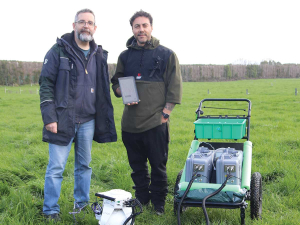
Researchers at Massey University are using a special piece of scientific equipment to improve the measurement of greenhouse gas emissions from pasture soils.
More signs of a booming kiwifruit sector.
OPINION: David Seymour and James Meager's plan to make it easier for farmers and orchardists to operate drones can best be described a 'courageous' move.
New Zealand wool is reaching new heights as air filtration companies move away from synthetic products to biodegradable alternatives.
Opuha Dam's ability to protect South Canterbury communities from major flooding has taken a significant step forward, with Opuha Water Limited (OWL) successfully commissioning a new outlet valve capable of releasing record volumes of water from the dam ahead of a weather event.