New Rural Recycling Scheme to Replace Voluntary Farm Plastics Programmes by 2027
Environment Minister Nicola Grigg has announced details of a new rural plastics recycling scheme.
 increase font size
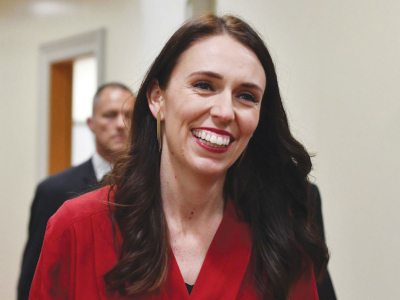 Prime Minister Jacinda Ardern.
The Government is today introducing the long-awaited Climate Change Bill with agriculture included.
Prime Minister Jacinda Ardern says agriculture is incredibly important to New Zealand, but it also needs to be part of the solution.
“That is why we have listened to the science and also heard the industry and created a specific target for biogenic methane.
“The split gases approach we’ve agreed on is consistent with that commitment.”
The Bill sets a target for 10% reduction in biological methane emissions by 2030, and aims for a provisional reduction ranging from 24% to 47% by 2050.
That provisional range will be subject to review by the independent Climate Change Commission in 2024, to take account of changes in scientific knowledge and other developments.
Ardern says the independent Climate Change Commission, established by the Bill, “will support our emissions reduction targets through advice, guidance, and regular five-yearly “emissions budgets”.
“The Bill also creates a legal obligation on the Government to plan for how it will support New Zealand towns and cities, business, farmers and Iwi to adapt to the increasingly severe storms, floods, fires and droughts we are experiencing as a result of climate change.
“New Zealanders have made it clear they want leadership and consensus on climate change legislation.”
She says “a practical consensus” has been built across the three Government parties that creates a plan for the next 30 years, which provides the certainty industries need to get in front of this challenge.
Environment Minister Nicola Grigg has announced details of a new rural plastics recycling scheme.

For the first time in a quarter of a century, Federated Farmers has something positive to say about the Labour Party’s climate change policy leading into a general election.
The Ballance Farm Environment Awards are coming to the West Coast of the South Island.
Climate, nature and animal wellbeing make up Fonterra's refreshed sustainability roadmap released last week.
There's been widespread support from the primary sector for the Government's announcement on changes to freshwater farm plans that come under the Natural Environment Bill, which is now set to replace the existing RMA.



LIC shareholders have elected a new North Island representative to the co-operative's Board, along with five representatives to its Shareholder Reference Group (SRG), following the company's Annual Meeting held in Invercargill.
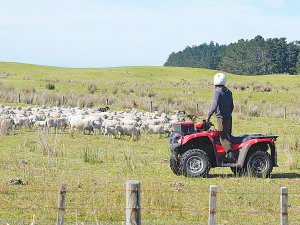
Farmers across parts of Southland and South Otago are continuing to deal with difficult conditions after a prolonged run of wet weather, with pressure building around feed supply, stock management, pasture damage, farm infrastructure and everyday workloads.
Federated Farmers says it welcomes Labour's commitment to reviewing the Sharemilking Agreements Act, calling on other major parties to do the same.
For Canterbury dairy farmers Sian Meijer and Rick Wobben, wearable technology has become one of their most valuable on-farm tools - helping manage 1850 cows across an expansive, high-performing dairy operation while improving efficiency, mating outcomes and day-to-day decision making.
Fonterra has unveiled its annual results for the 2026 financial year, posting $27 billion in revenue and close to $20 billion returned to New Zealand farmer owners and unit holders.
The first major update to the Dairy Cattle Code of Welfare in more than a decade has been released, marking what DairyNZ describes as an important step in ensuring animal welfare standards continue to evolve alongside scientific evidence and on-farm realities.