Fonterra Names Four Independently Assessed Director Candidates
Fonterra Co-operative Group has confirmed the independently assessed candidates standing for election to its board in 2026.
 increase font size
 Beingmate will own 51% of the joint venture and Fonterra will retain a 49% stake, and run the plant operation.
Fonterra has welcomed the formal approval by the shareholders of Beingmate Baby and Child Food Company Ltd to establish a joint venture to purchase the cooperative's Darnum plant in Australia.
The Beingmate board's formal approval (previously announced on October 29, 2015) was approved by the Beingmate shareholders in China on November 16.
The joint venture will manufacture nutritional powders, including infant formula and other nutritional milk powders, at Darnum in Australia, for Fonterra and Beingmate, and other customers.
Beingmate will own 51% of the JV and Fonterra will retain a 49% stake, and run the plant operation.
Last August, Fonterra and Beingmate announced that they intended to form a global partnership to help meet China's growing demand for infant formula. In March this year Fonterra acquired 18.8% of Beingmate.
The partnership will create a fully integrated global supply chain from the farm gate direct to China's consumers, using Fonterra's milk pools and manufacturing sites in New Zealand, Australia, and Europe.
Fonterra Co-operative Group has confirmed the independently assessed candidates standing for election to its board in 2026.

Fonterra has revised its Farmgate Milk Price forecast for the 2026/27 season, lifting the midpoint and narrowing the range on the back of improving global dairy commodity prices.
Outgoing Fonterra Co-operative Council chair John Stevenson says that it has been a privilege to represent the co-op's farmer shareholders.
OPINION: It seems Canterbury processor Synlait is still in the doldrums.
OPINION: Get offside with New Zealand First leader Winston Peters at your own peril.


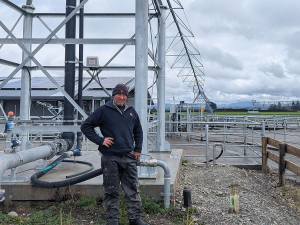
Converting a longstanding cropping farm to dairy was the only way to ensure the land stayed in the family long term, says new dairy farmer Rod May.
As the election heats up, Organics Aotearoa New Zealand (OANZ) has launched its election scorecard designed to help voters wanting to support policies that grow organic and New Zealand's organic sector.
A 'tsunami' of milk from key exporting countries is winding down and this may be good news for New Zealand dairy farmers.
Will the good times last? That's one of the key issues to come out of the latest Federated Farmers confidence survey.
Outgoing Fonterra Co-operative Council chair John Stevenson says that it has been a privilege to represent the co-op's farmer shareholders.
Have a plan in place for your cows and staff.