Fonterra CFO Andrew Murray Resigns
Fonterra Co-operative Group chief financial officer Andrew Murray has resigned to take up a role outside the dairy giant.
 increase font size
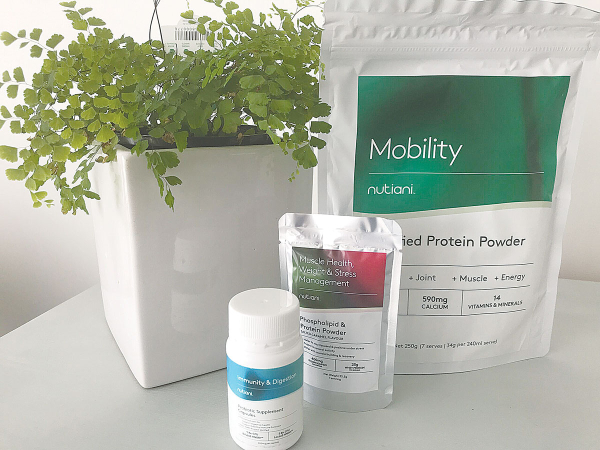 Fonterra is utilising its probiotics to tap into the health and wellness market, says chief executive Miles Hurrell.
Fonterra is using its vast trove of dairy culture collections to tap into a growing global health and wellness and medical nutritional markets.
Co-operative chief executive Miles Hurrell told a global dairy conference this month that it has one of the largest dairy culture collections in the world, with more than 40,000 strains.
Speaking at the International Dairy Federation world dairy conference in Chicago, Hurrell told delegates that they don't need to be reminded about the nutritional benefits of dairy - it truly is one of nature's super foods.
He pointed out that the global health and wellness market is valued at over US$60 billion, growing at 6% per year.
Medical Nutrition is valued at US$50 billion globally and growing at 5% per year.
"We're also looking at how we can utilise our probiotics to tap into this market," he says.
"Awareness around the positive impact probiotics can have on health and wellbeing continues to grow, and people are looking to include them in their diet.
"Two of our probiotic strains are currently highly regarded because of the depth of human clinical research backing their effectiveness.
"We are working to discover new probiotic strains with validated health benefits that also have the stability to be used in supplement, food, and beverage formats."
According to Hurrell, partnerships will play a big part in helping the co-op grow in this area.
"We recently announced the establishment of a corporate ventures arm to seek out, partner with, and invest in global start-ups in the health space.
"These partners will benefit from access to Fonterra's dairy science expertise and understanding of the global market, while Fonterra will benefit from emerging technologies, advancements in science, and new channels to market provided by the partnerships."
Fonterra's first investment was in San Francisco based biotech company Pendulum that specialises in targeting metabolic health through evidence-based microbiome solutions.
It plans to co-develop and commercialise next generation gut health products for global consumers.
Recently Fonterra announced a strategic research partnership with APC Microbiome, a world leading research centre based at the University College of Cork.
Hurrell says this partnership will focus on the human microbiome and work to develop new probiotic products that have health and wellness benefits.
"We expect the Fonterra Microbiome Research Centre will be operational by the end of this year, with the aim of bringing several new probiotic strains to the market over the next 5 to 10 years," he says.
Meanwhile Fonterra is also using one of its probiotic strains to develop a methane reduction technology in cows.
Kowbucha is being developed at Fonterra's Research and Development Centre.
"Kowbucha uses one of our probiotic strains and could potentially switch off methane production in cows.
"It's early days, but initial results are promising. We've recently appointed a dedicated leader to explore potential commercialisation opportunities for Kowbucha.
"As well as finding a solution to methane production, our team of scientists are working to address the nutritional needs of a growing global population," he says.
Fonterra Co-operative Group chief financial officer Andrew Murray has resigned to take up a role outside the dairy giant.

Four candidates have been confirmed for two director positions on Fonterra’s board.
A record farmgate milk price and strong global demand is laying the foundation for continued growth of organic dairy farming in New Zealand.
Waikato milk processor Tatua has again declared a record milk payout to farmer shareholders, leaving other processors in the dust.
Fonterra has unveiled its annual results for the 2026 financial year, posting $27 billion in revenue and close to $20 billion returned to New Zealand farmer owners and unit holders.


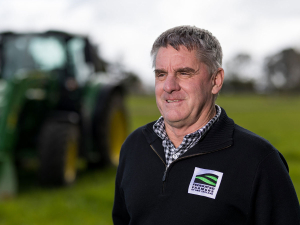
National’s pledge to introduce 19 new national standards shows the party is serious about getting Wellington out of farming, Federated Farmers says.
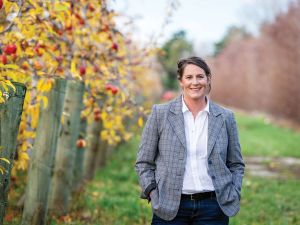
The National Party’s policies to make it easier to grow fresh vegetables, secure reliable water and energy and simplify farm planning are practical changes that will give growers the confidence to invest, according to Horticulture New Zealand (HortNZ).
Fonterra Co-operative Group chief financial officer Andrew Murray has resigned to take up a role outside the dairy giant.
A major move is about to get underway to improve the quality and viability of dairy beef and cattle in NZ.
Veterinarians say changes to the code of welfare for dairy cattle provides a positive foundation for improved cattle welfare across the country.
Today, 15 October, is the International Day of Rural Women, which recognises rural women’s contribution to farming, communities and the environment.