What Would Synlait Be Worth to Fonterra or a2 Milk?
Speculation of a possible joint move by Fonterra and a2 Milk to buy Synlait raises a much bigger strategic question, says agribusiness expert Dr Nic Lees.
 increase font size
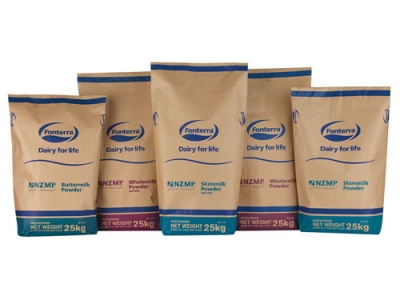 Milk powder prices tumbled.
It's been another bad morning for the dairy industry.
This morning's GlobalDairyTrade auction saw the GDT price index down 7.9%, its third consecutive drop.
Worryingly, milk powder prices tumbled; whole milk powder was down 11% to US$2148/tone and skim milk powder down 8% to US$1851/tonne.
Fonterra says whole milk powder prices should stay around the US$3000/tonne to mark to justify the current forecast payout for the season; the co-op is forecasting a milk payout of $4.60/kgMS.
This week it increased its forecast earnings per share range for the current financial year to 45-55 cents, a lift of 5c.
Fonterra chairman John Wilson told journalists that he expects global dairy prices to firm in the first half of next year.
Key Results of this morning's GDT event;
AMF index down 5.9%, average price US$3,430/MT
Butter index up 5.6%, average price US$2,709/MT
BMP index down 1.0%, average price US$1,825/MT
Ched index down 5.0%, average price US$2,874/MT
LAC index down 2.0%, average price US$503/MT
RenCas index down 4.4%, average price US$5,250/MT
SMP index down 8.1%, average price US$1,851/MT
WMP index down 11.0%, average price US$2,148/MT
Speculation of a possible joint move by Fonterra and a2 Milk to buy Synlait raises a much bigger strategic question, says agribusiness expert Dr Nic Lees.

In the past, much has been made of the concept of farm to fork, but an Australian expert in food science and marketing with experience in the dairy industry, Dr Angeline Achariya, says the reverse of this slogan is critical to win modern day consumers.
A four year trial has reaffirmed that mixing plantain into dairy pastures can help reduce nitrogen losses to freshwater while maintaining milk production and profitability, say researchers.
Fonterra has opened its upgraded Chengdu Application Centre, bringing New Zealand dairy expertise closer to customers in one of China's fastest-growing regions.
Tatua chair Stephen Allen says he leaves the co-op with a deep sense of gratitude for the people who have contributed to its success.

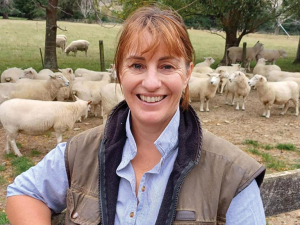
B+LNZ's Wormwise veterinarian Mary Bowron has won the Best Sheep and Beef Vet of the Year Award in recognition of her outstanding contribution to New Zealand’s sheep and beef sector.
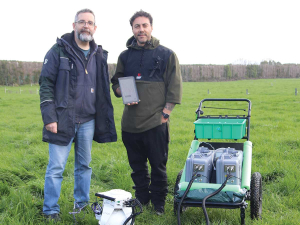
Researchers at Massey University are using a special piece of scientific equipment to improve the measurement of greenhouse gas emissions from pasture soils.
More signs of a booming kiwifruit sector.
OPINION: David Seymour and James Meager's plan to make it easier for farmers and orchardists to operate drones can best be described a 'courageous' move.
New Zealand wool is reaching new heights as air filtration companies move away from synthetic products to biodegradable alternatives.
Opuha Dam's ability to protect South Canterbury communities from major flooding has taken a significant step forward, with Opuha Water Limited (OWL) successfully commissioning a new outlet valve capable of releasing record volumes of water from the dam ahead of a weather event.