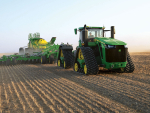
Westpac NZ launches community banking van in Northland
A new Westpac NZ community banking van begins making visits around Northland this week.
 increase font size
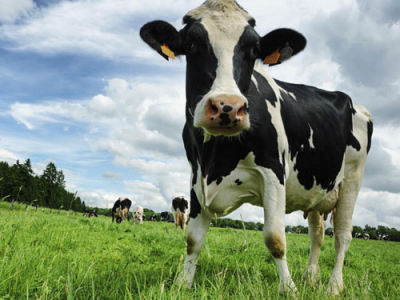 The GDT price index fell 1.9% overnight.
Global dairy prices have fallen again and supply expectations out of New Zealand might be at play.
The Global Dairy Trade (GDT) price index fell 1.9% overnight, compared to the previous auction.
Whole milk powder price dropped 1.2% to US$2753/metric tonne, causing further downward pressure on forecast milk payouts.
Westpac’s head of NZ strategy, Imre Speizer says supply expectations may have weighed on the latest GDT auction.
He notes that growing conditions in NZ are good.
More milk out of NZ means more dairy products available on the global market, causing prices to dip.
Key results
AMF index down 4.4%, average price US$5,069/MT
Butter index down 5.9%, average price US$4,016/MT
BMP index up 3.6%, average price US$2,522/MT
Ched index down 1.2%, average price US$3,468/MT
LAC index up 0.6%, average price US$913/MT
RenCas index up 3.0%, average price US$5,552/MT
SMP index down 0.3%, average price US$1,982/MT
SWP index not available, average price not available
WMP index down 1.2%, average price US$2,753/MT
A new Westpac NZ community banking van begins making visits around Northland this week.

Buyers trying to secure supply are keeping dairy prices at elevated levels.
ANZ agri economist Matt Dilly looks at the impressive run of global dairy prices this year.
OPINION: A bumper season all around.
Global dairy prices are on a roll, recording a fourth consecutive jump on the Global Dairy Trade (GDT) auction this year.

ACC says that this week's Fieldays is a great chance for farmers to pause and reflect on their processes and ensure that their life is in balance.

Bank of New Zealand (BNZ)will expand its First Farm support with a new funding boost designed to help more farmers and growers take their next step into farm ownership.
Westmorland Estate Ltd, a Waikato company running three dairy farms, runs on the philosophy that 'you are only as good as your team'.
AgriZeroNZ is ramping up efforts to accelerate the uptake of emissions reduction tools on farm with a new initiative to help more farmers put proven tools into practice.
With the general election just molnths away, farmers have launched a five-point plan for the next government.
The Government is investing in a range of initiatives designed to strengthen the resilience of rural communities and improve preparedness for future adverse events.