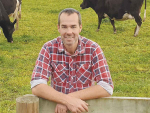
Cameron Henderson Reappointed Unopposed as DairyNZ Deputy Chair
DairyNZ deputy chair Cameron Henderson has been re-appointed unopposed for another term.
 increase font size
 DairyNZ was seeking an evidence-based, pragmatic policy on water quality.
With the passing of the Government’s new rules to protect and restore fresh waterways, DairyNZ says it’s turning its attention to what this now means on-farm.
Chief executive Dr Tim Mackle says for a start it’s encouraging that the Government has listened and made vital changes to elements of the freshwater proposal, including more time for some policies to be implemented.
He says, for many farmers, these changes cannot be made overnight. For example, the 190kg cap for nitrogen fertiliser presented a real challenge for some farmers – particularly the tight timeframe to implement it.
“So, we are pleased government has listened and is giving farmers consenting options that will phase reductions up to July 2023. This will give farmers breathing room to adjust their pasture, animal and people management. We are keen to ensure that timeframes for all regulations are fair and reflect the considerable effort made by dairy farmers to date.”
The new requirements among other things include councils having to give effect to Te Mana o Te Wai by prioritising the health and wellbeing of waterways, halting further loss of wetlands and streams and putting controls on high-risk farming practices such as winter grazing and feedlots.
DairyNZ says it advocated for an evidence-based, pragmatic policy to be delivered through the freshwater proposal to meet New Zealand’s water quality aspirations in a fair and efficient way.
Mackle says the Government has adapted some aspects of the original proposal and taken a better approach for others with science-based rules and practicality for farmers on the ground.
“Our original assessment showed we could deliver on water quality improvement with less economic pain. While DairyNZ is pleased the proposed DIN [dissolved inorganic nitrogen attribute] has been parked, analysis shows this measure should be completely dropped. The DIN attribute will not drive the ecosystem health outcomes the policy aimed to deliver. We also consider that the nitrogen toxicity standard of 2.4 g/m3 is too conservative for highly developed pastoral catchments,” he says.
Mackle says there is a need to have realistic expectations about the type of aquatic biodiversity that these highly modified, productive catchments can support.
He says it is unrealistic to set national bottom lines based on protecting 95% of species when a lower level is justifiable, and still often aspirational to achieve.
“DairyNZ will continue to work closely with farmers, regional government and stakeholders as the rubber hits the road with implementation. Healthy waterways are important to dairy farmers. We share the same aspirations to protect our streams, rivers, lakes and wetlands and are working as a sector to deliver on environmental goals.”
DairyNZ deputy chair Cameron Henderson has been re-appointed unopposed for another term.
Farms across the upper North Island are trialling different pasture mixes as part of a research programme that aims to build greater resilience into farming systems.
Election years are always a concerning time for farmers, according to DairyNZ chair Tracy Brown.
Most dairy regions around the country have had a pretty good season so far says Tracy Brown.


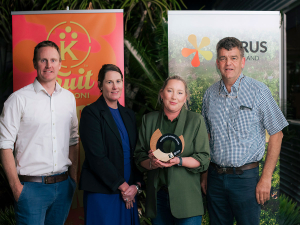
New Zealand's citrus growers were challenged to build their future on the value embedded in their fruit rather than the volume they produce, at Citrus New Zealand's annual gathering in Gisborne on 17 September.
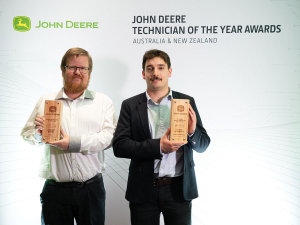
Leading John Deere technicians and apprentices from New Zealand and Australians were recognised at the recent sixth annual JD Technician of the Year Awards, held in Brisbane.
In Dacre, near Invercargill in New Zealand’s South Island, Bruce Dinnington is running a dairy operation unlike any other.
A free online platform aggregating governance vacancies across rural and regional New Zealand has been launched.
Environment Minister Nicola Grigg has announced details of a new rural plastics recycling scheme.
Agricultural drone operators say that a government decision to allow lower-risk drone work without certification won’t lower standards but drive innovation and efficiency.