Earthquakes can result in considerable damage and disruptions to farm businesses. Following is information offered by DairyNZ to help farmers and farm workers deal with the aftermath of earthquakes.
An earthquake can be a confusing time, with people and animals in shock. Use the Crisis Priority Checklist in to work through important immediate considerations.
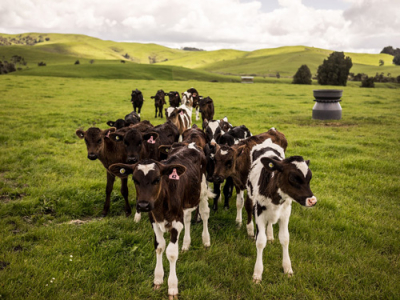
Managing stressed stock
Understand the effects of a disaster on livestock and ways in which to help reduce any negative impacts.
Looking after yourself and your workers
· Ensure that everybody is getting enough time-off to be rested (including your selves). If looking for support on farm please contact Federated Farmers on 0800 FARMING (0800 327 646)
· Make sure that everybody on farm (including all family) are coping with the damage and the aftershocks
· Hold regular staff meetings so that everybody is clear on:
o Priorities on the farm for the next week
o What the issues facing the farm in the next two weeks (e.g. water supply)
o Health and Safety - update with any new hazards on farm (i.e. buildings and cracks)
o What the process is if any damage and new hazards are found on the property
· Talk to neighbours and follow farmers to see how they are coping and discuss top tips and how to manage the process going forward in the next few weeks.
Remember that this has been a highly stressful situation for everybody involved on the property so keep communication lines open among everybody on farm.
Irrigation Systems
IrrigationNZ urges caution when turning on any irrigation systems post earthquake. They have prepared a checklist for farmers as a guideline to:
· re-starting their irrigation systems post earthquake
· to find the extent of the damage that may have been caused
IrrigationNZ recommmend farmers get a specialist to look at their system as soon as possible. Contact your local irrigation supplier or the IrrigationNZ office.
Water quality and supply
Clean drinking water for staff, family and stock may be an issue. Get your water quality tested if you are supplied by a farm bore.
Water supply requirements
Peak drinking water daily requirements
· Lactating cow: 70 litres/head
· Dry cow: 45 litres/head
· Calves: 25 litres/head
Peak drinking water flows required
· Lactating cow: 12-14 litres/head/hr
· Dry cow: 8-10 litres/head/hr
Water supply
· Cow shed water requirements: 70 litres/cow/day
Trough size should be half the one hour flow demand e.g. 200 cows need 2,400 litres/hr, so trough size - 1,400 litres. Mobs of 400 or more need two troughs in a paddock
Reporting damage
If you do have damage make contact with EQC and take photographs of any damaged property. If you consider any damage to be potentially life threatening, do not hesitate to contact 111.
EQC: 0800 326 243, www.eqc.govt.nz (Insurance cover, cleaning up and making a claim)
DairyNZ Checklist for insurance claims
Health and safety with structures
It is the responsibility of property owners, in the first instance, in any area affected by the earthquake to ensure that their property is safe for staff and the public. Local authorities are prioritising and managing the official inspection of buildings. These inspections have resulted in an increasing number of buildings being deemed unsafe, including some that previously appeared safe. Property owners should contact their local authority if they have any questions in relation building safety.
Missed milkings and OAD
Research by DairyNZ shows that cows can go without being milked for up to four days, without a noticeable effect on subsequent production, as long as they're given the same amount of feed as they would be if they were being milked.
DairyNZ conducted a trial in Taranaki, where they stopped milking cows just after peak lactation, for two, four and seven days. The cows in the two and four day trials subsequently resumed full production when they started being milked again, although there was an increase in somatic cell counts.