Developer stands by product
DESPITE DCD emerging as a contaminant of milk, and now waterways, the man who pioneered its development as a nitrification inhibitor for use on farms in New Zealand still believes it has a future.
 increase font size

FERTILISER COMPANY Ballance says it shares farmers’ sentiment that nitrate inhibitors containing DCD should be allowed back on the market.
But the farmer co-op adds this must only happen only when potential international trade requirements are met.
Ballance research and development manager Warwick Catto says the question is what standards need to be met on trade issues. “We have to work out what levels of DCD residues the marketplace will accept,” he told Dairy News.
“This will require a bit of science and research. But we endorse farmer sentiment that nitrate inhibitors should be allowed back to help farmers tackle nitrate leaching on farms.”
Nitrate inhibitors, containing DCD, were voluntarily withdrawn last month by fertiliser companies Ballance and Ravensdown following the discovery of small traces of residue in New Zealand milk products.
A working group, headed by MPI, is assessing the use of DCD on farms and resulting residues in food. The working group is also made up of Fonterra, the Dairy Companies Association of New Zealand (DCANZ), Ravensdown and Ballance.
Catto says the working group could take a couple of years to complete its work. “At the end of the day, we must have the confident of the market,” he says.
Ballance had not sold its nitrate inhibitor DCn since July 2012 and had not promoted its use on pastures since late 2010.
Catto says only a handful of Ballance customers have recently used the product. As a precautionary measure Ballance will not reintroduce any DCD-based products to the market until the potential international trade issue of milk residues is mitigated.
Fonterra Shareholders Council chairman Ian Brown says the products containing DCD are one of the effective tools used by farmers to mitigate nitrate leaching.
He says Fonterra farmers are waiting to see if DCD products are allowed back by MPI. “It’s not the silver bullet but it’s one of the spanners in our toolbox,” he told Rural News. “We’re keen to see it come back but let’s wait and see.”
Dairy farmers are under pressure from regional councils to reduce nitrate leaching into waterways. Nitrate inhibitors were one of the main tools used by farmers to meet targets set by councils.
Brown says it’s important for regional councils to work with affected farmers and re-examine nitrate level targets following the withdrawal of DCD treatments.
DESPITE DCD emerging as a contaminant of milk, and now waterways, the man who pioneered its development as a nitrification inhibitor for use on farms in New Zealand still believes it has a future.
What steps can we take to reduce nitrous oxide emissions and nitrate leaching without using DCD? Professor Mike Wilkinson of Nottingham University, UK, outlines some options for milk producers.
THE DISCOVERY of DCD in milk is a minor food safety concern compared with the animal, human and environmental effects of New Zealand’s high level of synthetic fertiliser use, says biological farming exponent Phyllis Tichinin.
Industry body DairyNZ has come out in support of Ravensdown and Ballance Agri-Nutrients' voluntary suspension of sales and use of Dicyandiamide (DCD) treatment on farm land until further notice.
Fonterra Co-operative Group Ltd backs the move by Ravensdown and Ballance Agri-Nutrients to voluntarily suspend sales and use of Dicyandiamide (DCD) treatment on farm land until further notice.

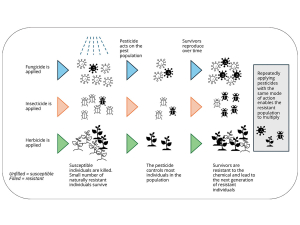
Growers and farmers are being encouraged to have an important conversation before the coming season starts: how to prolong the effectiveness of the crop protection tools they rely on.
A new digital assistant is now helping Ballance Agri-Nutrients farmers speed up nutrient information and ordering.
New Zealand apple and pear industry stakeholders are out in force for the annual conference in Queenstown.
Cameron Reed lives between two worlds.
Improving health and safety is about incremental gain rather than a sudden decision, says Leeston farmer and Federated Farmers health and safety spokesman David Birkett.