Get teams set for what lies ahead
As calving approaches, farmers need to get their teams ready for what lies ahead in the coming months.
 increase font size
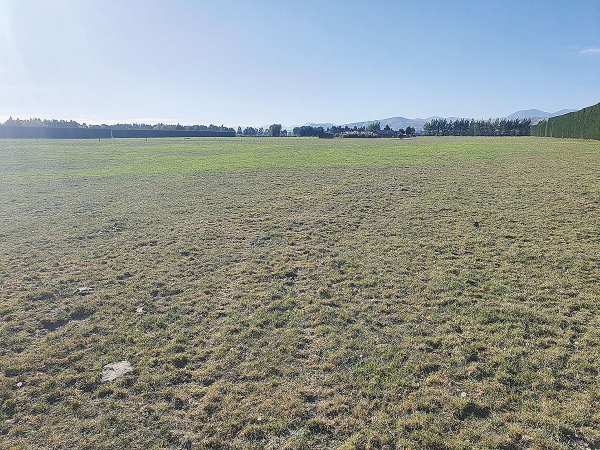 Southland is facing one of its worst droughts, according to some farmers. Photo Credit: Anieka Templer.
There are concerns that some Southland dairy farmers are yielding to the temptation of this season's high pay out by milking on despite the fact that the region is in the midst of a major drought.
DairyNZ's South Island head of consulting officers, Tony Finch, says the drought is now getting quite serious and extends right across the region. He says some of the older farmers have told him this is one of the most prolonged dry spells they have experienced. And he adds that some farmers are using feed reserves to keep milking.
"What is setting this up for the perfect storm is the fact that you have processing delays as a consequence of Covid, which means that people waiting anywhere from six to ten weeks to get stock away. That means there are more mouths to feed and when you are pushing on milking, some farmers' feed supplies are becoming very tight," he told Dairy News.
Finch says with the very high milk price, there is a real temptation to push on a little further into the season. But he says the last thing that's needed is for people to jeopardise next season by eating too far into feed reserves or affecting pasture cover - and most importantly, animal health. He says there is a risk that cow body condition scores will start to suffer.
"In this situation the temptation to keep milking and produce what is essentially 'marginal milk' has to be seen in the context of buying in expensive feed. There is a supply and demand issue here: when feed becomes scarce the price goes up, so if people are buying up feed to try and push the season out, they need to look seriously at the economics of such a strategy," he says.
According to Finch grass growth rates in Southland are non-existent at the moment, but on the positive side, soil temperatures are good so with some good rain there will be an autumn flush. But he says, even if this happens, the region will still be in catch-up more to get farms ready for next season. He says some farmers have acted quickly by getting stock off their farms early, having a good feed budget and adopting management practices to mitigate some of the effects of the drought and Covid.
"This involves going to once-a-day or sixteen hour milking, drying off early calvers and those whose BCS is somewhat marginal. We would encourage people to start thinking about these options now.
"Also with Covid moving south, the delay in getting their cull cows into the works is likely to get worse. If they haven't got them booked they need to do it now otherwise they will be carrying animals additional to their needs a lot longer," he says.
Finch says the advice from DairyNZ is that farmers should take account of where they are now and where they are heading.
As calving approaches, farmers need to get their teams ready for what lies ahead in the coming months.

There has been little respite for Southland dairy farmers as the dry weather continues.
Southland is in for a tough winter, according to Jason Herrick, head of Federated Farmers sharemilker section in the province.
Southland's normally wet climate is counting against it as the region struggles under what is thought to be its worst drought in 80 years.
Those who don’t know Southland could be excused for not understanding that the province is in the midst of a drought, according local farmer Dean Rabbidge who is also Federated Farmers local Meat and Wool chair.


Federated Farmers says it welcomes Labour's commitment to reviewing the Sharemilking Agreements Act, calling on other major parties to do the same.
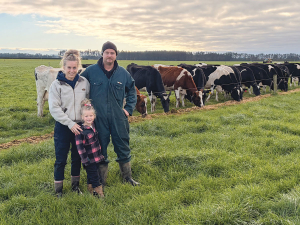
For Canterbury dairy farmers Sian Meijer and Rick Wobben, wearable technology has become one of their most valuable on-farm tools - helping manage 1850 cows across an expansive, high-performing dairy operation while improving efficiency, mating outcomes and day-to-day decision making.
Fonterra has unveiled its annual results for the 2026 financial year, posting $27 billion in revenue and close to $20 billion returned to New Zealand farmer owners and unit holders.
The first major update to the Dairy Cattle Code of Welfare in more than a decade has been released, marking what DairyNZ describes as an important step in ensuring animal welfare standards continue to evolve alongside scientific evidence and on-farm realities.
Ravensdown shareholders have elected Jane Montgomery and Kate Acland to the Ravensdown Board for three-year terms, following a closely contested director election.
Federated Farmers says new legislation replacing the Resource Management Act will cut red tape, unlock investment and help grow New Zealand's export-led economy, after the Planning Bill and Natural Environment Bill passed their third reading in Parliament yesterday.