
Get teams set for what lies ahead
As calving approaches, farmers need to get their teams ready for what lies ahead in the coming months.




 increase font size
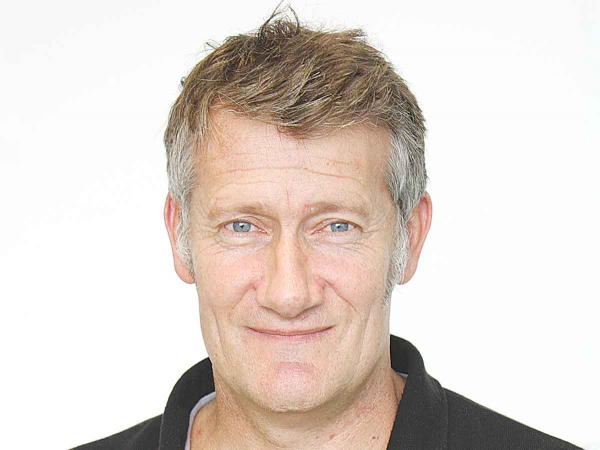 Tony Finch
There has been little respite for Southland dairy farmers as the dry weather continues.
DairyNZ's head consulting officer in the South Island, Tony Finch, says the situation is quite serious.
While there have been droughts in Southland in the past, most have occurred in late summer, whereas this is an autumn drought.
Finch says part of the problem is that droughts are not something that many Southland farmers are familiar with and he says people new to farming in the province need to quickly school up on how to deal with the situation.
"New entrants such as contract milkers and sharemilkers need to think carefully and seek advice if they haven't already done so, because they can quickly get themselves into a pretty big hole which could really jeopardise next season's farm performance," he says.
Finch says while there has been rain in some parts of the province there is still a lot more needed to get the grass growth back to a comfortable level.
He says they face challenges dealing with diminishing feed reserves, both on the platform and supplementary feeds. Some are yielding to the temptation to milk on because of the high payout; they need to make sure they can do that without compromising next season.
"Farmers just need be on top of their feed budget. They have got to identify the gaps and the holes and it comes down to taking small but numerous actions now, as opposed to one big large one. They need to make sure they have a full understanding of the feed on hand and requirements to feed stock if there is a gap," he says.
Finch says it is all about making the right decisions for the right reasons, being careful and getting good advice from DairyNZ or other rural professionals.
He says the longer the drought goes on, there is a risk that soil temperatures will drop and it's possible that farmers won't get the grass growth they are hoping for.
As calving approaches, farmers need to get their teams ready for what lies ahead in the coming months.
Southland is in for a tough winter, according to Jason Herrick, head of Federated Farmers sharemilker section in the province.
Southland's normally wet climate is counting against it as the region struggles under what is thought to be its worst drought in 80 years.
Those who don’t know Southland could be excused for not understanding that the province is in the midst of a drought, according local farmer Dean Rabbidge who is also Federated Farmers local Meat and Wool chair.
There are concerns that some Southland dairy farmers are yielding to the temptation of this season's high pay out by milking on despite the fact that the region is in the midst of a major drought.


Alliance is calling for final applications for its 2027 Graduate Programme, with applications closing on Sunday 25 October.
Decades piloting planes has ensured vet and farmer David Hayes is focused on safety. So, after a serious accident while welding on farm, he is sharing his experience so others can learn from it.
Canterbury milk processor, Synlait Milk has confirmed Leon Fung as its chief executive officer.
OPINION: Making it easier to collect rainwater and use it to grow crops and livestock is a no brainer.
As part of its Election 2026 coverage, Rural News asked political parties how they would help pull the arable sector out of the doldrums. Here's what they said:
Farmers are being encouraged to rethink how they manage waste on farm with the launch of ruralwastesorted.co.nz, a new website bringing together practical tips, real farmer experiences and resources.

OPINION: It seems Canterbury processor Synlait is still in the doldrums.
OPINION: Get offside with New Zealand First leader Winston Peters at your own peril.




