International Day of Rural Women: Two DairyNZ Farmers’ Stories
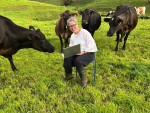
Today, 15 October, is the International Day of Rural Women, which recognises rural women’s contribution to farming, communities and the environment.
 increase font size
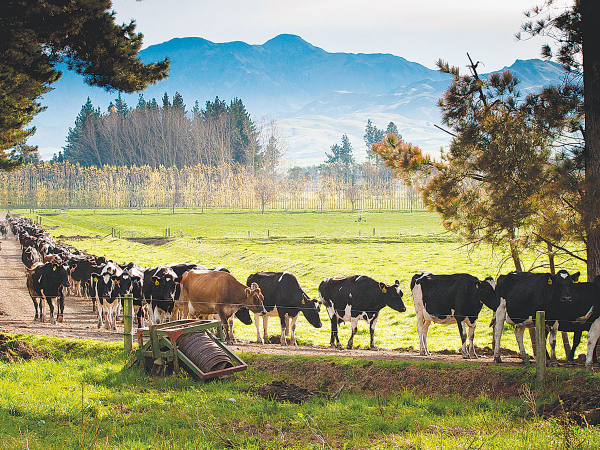 The report by DairyNZ and LIC shows the dairy sector’s resilience with production remaining stable despite tight and uncertain economic conditions.
OPINION: The latest New Zealand Dairy Statistics report paints a picture of an industry trending towards fewer but larger herds.
Farmers are focused on rearing high-producing cows with good milk quality. This is shown by record-high percentages of milkfat and protein in herd-tested cows, alongside the lowest-ever average somatic cell count of 161,000 cells/ml in the 2023-24 season.
The report by DairyNZ and LIC show the dairy sector’s resilience with production remaining stable despite tight and uncertain economic conditions.
In 2023-24 season, dairy companies processed 20.5 billion litres of milk containing 1.88 billion kgMS - compared with the previous season, this was a 0.8% (161 million litres) decrease in litres and a 0.5% (9 million kgMS) increase in kgMS processed. This reflects a greater proportion of milksolids in the milk processed.
Average milk production per cow across the country was 400kg of milksolids (made up of 225kg milkfat and 176kg protein). Average milksolids per effective hectare (1105kg) was near 2020/21 levels.
Cow numbers increased by 0.6% in 2023/24, reaching 4.70 million, though this is still 2% below the five-year average of 4.8 million. The average herd size increased and the number of herds decreased. There were 10,485 herds this season – 116 fewer than the previous season. The national average herd size was 448, which was seven cows more than the previous season.
The national herd composition has evolved, with a growing preference for crossbreed genetics. The proportion of Holstein- Friesian/Jersey Crossbreeds has increased significantly, from 34% in 2005/06 to 60% in 2023/24.
DairyNZ says structural and genetic trends underscore the resilience and adaptability of the New Zealand dairy sector, which clearly focuses on productivity, quality, and sustainable performance.
Today, 15 October, is the International Day of Rural Women, which recognises rural women’s contribution to farming, communities and the environment.

LIC shareholders have elected a new North Island representative to the co-operative's Board, along with five representatives to its Shareholder Reference Group (SRG), following the company's Annual Meeting held in Invercargill.
The first major update to the Dairy Cattle Code of Welfare in more than a decade has been released, marking what DairyNZ describes as an important step in ensuring animal welfare standards continue to evolve alongside scientific evidence and on-farm realities.
Have a plan in place for your cows and staff.
DairyNZ deputy chair Cameron Henderson has been re-appointed unopposed for another term.


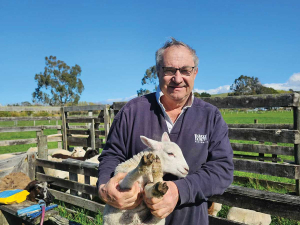
Decades piloting planes has ensured vet and farmer David Hayes is focused on safety. So, after a serious accident while welding on farm, he is sharing his experience so others can learn from it.
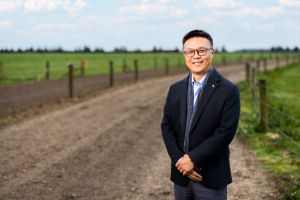
Canterbury milk processor, Synlait Milk has confirmed Leon Fung as its chief executive officer.
OPINION: Making it easier to collect rainwater and use it to grow crops and livestock is a no brainer.
As part of its Election 2026 coverage, Rural News asked political parties how they would help pull the arable sector out of the doldrums. Here's what they said:
Farmers are being encouraged to rethink how they manage waste on farm with the launch of ruralwastesorted.co.nz, a new website bringing together practical tips, real farmer experiences and resources.
New Zealand Winegrowers (NZW) is celebrating the India-New Zealand Free Trade Agreement (FTA) coming into force today, bringing New Zealand wine improved access to one of the world’s fastest-growing economies.