Fonterra FY26 Results: $9.69 Milk Price, $3.4bn Profit
Fonterra has unveiled its annual results for the 2026 financial year, posting $27 billion in revenue and close to $20 billion returned to New Zealand farmer owners and unit holders.
 increase font size
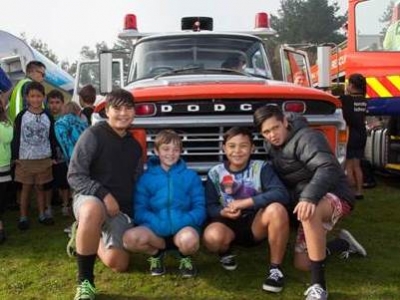
Fonterra is gifting a rare fire engine to the Wellington Fire Museum, retiring the vehicle after more than 20 years of service in the cooperative.
The 1977 Dodge fire engine is one of only two ever built, and is the only one still in its original condition; it has been part of the Fonterra Te Rapa emergency response team (ERT) since 1992, after more than a decade in the New Zealand Fire Service.
The engines, built in Rotorua, are the only ones in the world built to these exact specifications. They have a smaller engine than a standard fire truck, and were designed as a first responder.
Fonterra Te Rapa ERT member David Rabjohns said the engine has served the co-operative well over the past 23 years and is now destined for another fulfilling role at the museum.
"The whole team is excited to hear that one of the long standing members of the ERT team will be put to good use at the Wellington Fire Museum," says Rabjohns.
The fire truck will be driven from Te Rapa to its new home in Wellington, joined by a Fonterra tanker and a New Zealand Fire Service fire engine at school visits along the way.
"Keeping safe on our roads is the number one priority for our tanker drivers and part of that is helping spread road safety messages in the communities in which we operate. This trip is a chance to speak to new generations about the importance of keeping safe on the roads," he said.
Wellington Fire Museum Curator Matt Silver approached Fonterra about donating the vehicle to the privately funded collection, bringing the museum's total number of fire engines to 15.
"I'm extremely grateful to Fonterra for generously donating this unique engine to the museum. The museum relies on donations. If it wasn't for companies such as Fonterra, the collection wouldn't exist," says Silver.
Fonterra has unveiled its annual results for the 2026 financial year, posting $27 billion in revenue and close to $20 billion returned to New Zealand farmer owners and unit holders.
Fonterra Co-operative Group has confirmed the independently assessed candidates standing for election to its board in 2026.
Fonterra has revised its Farmgate Milk Price forecast for the 2026/27 season, lifting the midpoint and narrowing the range on the back of improving global dairy commodity prices.
Outgoing Fonterra Co-operative Council chair John Stevenson says that it has been a privilege to represent the co-op's farmer shareholders.
OPINION: It seems Canterbury processor Synlait is still in the doldrums.



LIC shareholders have elected a new North Island representative to the co-operative's Board, along with five representatives to its Shareholder Reference Group (SRG), following the company's Annual Meeting held in Invercargill.
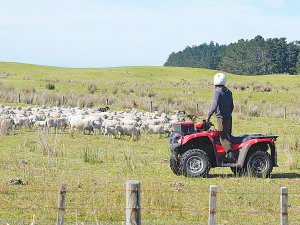
Farmers across parts of Southland and South Otago are continuing to deal with difficult conditions after a prolonged run of wet weather, with pressure building around feed supply, stock management, pasture damage, farm infrastructure and everyday workloads.
Federated Farmers says it welcomes Labour's commitment to reviewing the Sharemilking Agreements Act, calling on other major parties to do the same.
For Canterbury dairy farmers Sian Meijer and Rick Wobben, wearable technology has become one of their most valuable on-farm tools - helping manage 1850 cows across an expansive, high-performing dairy operation while improving efficiency, mating outcomes and day-to-day decision making.
Fonterra has unveiled its annual results for the 2026 financial year, posting $27 billion in revenue and close to $20 billion returned to New Zealand farmer owners and unit holders.
The first major update to the Dairy Cattle Code of Welfare in more than a decade has been released, marking what DairyNZ describes as an important step in ensuring animal welfare standards continue to evolve alongside scientific evidence and on-farm realities.