International Day of Rural Women: Two DairyNZ Farmers’ Stories
Today, 15 October, is the International Day of Rural Women, which recognises rural women’s contribution to farming, communities and the environment.
 increase font size
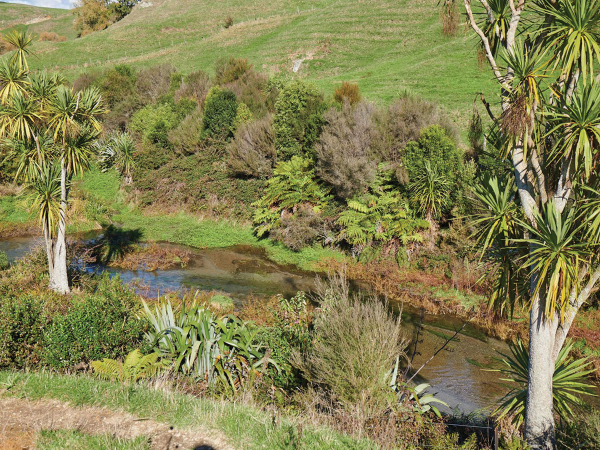 Good farming practices continue to reduce phosphorus, E. coli and sediment concentrations in waterways.
Analysis of decades of research has revealed the good farming pracrtice plays a critical role in reducing nutrient losses to improve freshwater outcomes.
Researchers from DairyNZ, the Bioeconomy Science Institute (formerly AgResearch), and Lincoln University explored two decades worth of data and used multiple data sources to assess the impact of good farming practice implementation on nutrient loss reductions.
The results show a clear link between the widespread use of good farming practices and lower contaminant losses from land to water on New Zealand dairy farms.
DairyNZ senior scientist Dr Katrina Macintosh says farmers should be confident that the actions they are taking on their farm are having an impact, without affecting productivity.
"Over the past 20 years, dairy farmers have implemented a range of good farming practices, including better fertiliser use, effluent management, reduced soil cultivation and improved irrigation scheduling. Until recently, few studies assesssed its impact, and when improvements in water quality might be detected," she says.
"In recent years, we've been working with milk processors using the data they are collecting from their suppliers via their farm environmental plans to better understand environmental improvements.
"Working with Fonterra and Open Country Dairy, plus capturing information from DairyBase, we were able to analyse multiple anonymous datasets to determine the level of good farming practice implementation around the country and what that means for reducing nutrient losses and improving water quality."
One of the studies looked at five dairy-dominated catchments ranging from 598 hectares to 2480 hectares between 2001 and 2020, a period where extension programmes began to be rolled out, and water quality and farm practices were being regularly monitored. The research found good farming practices reduced phosphorus, E. coli and sediment concentrations.
Another study looked at uptake of good management practices across a 10-year period between 2013-2022 and the influence they had on nitrogen (N) and phosphorus (P) losses to water from dairy-farmed land.
The study found that N management, and improved irrigation and cultivation practice contributed to lower N loss trends, while P fertiliser and effluent storage methods were the most influential parameters for reducing P loss.
Notably, the analysis found that while the adoption of good farming practices decreased N and P losses on farm, it did not impact negatively on milk solid production.
"Good farming practices are generally accessible and cost-effective for farmers to implement on farm to deliver improved water quality outcomes. Fresh water management is a long-term game and it's great to be able to show farmers the impact of their efforts on farm over the past 20 years or so," says Macintosh.
The research is building a strong evidence base showing how farming practices on New Zealand dairy farms have changed over time in pastoral catchments to deliver environmental outcomes.
Today, 15 October, is the International Day of Rural Women, which recognises rural women’s contribution to farming, communities and the environment.
The first major update to the Dairy Cattle Code of Welfare in more than a decade has been released, marking what DairyNZ describes as an important step in ensuring animal welfare standards continue to evolve alongside scientific evidence and on-farm realities.
Have a plan in place for your cows and staff.
DairyNZ deputy chair Cameron Henderson has been re-appointed unopposed for another term.
OPINION: The stats speak for themselves.



Alliance is calling for final applications for its 2027 Graduate Programme, with applications closing on Sunday 25 October.
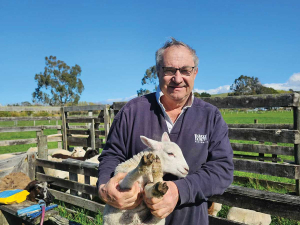
Decades piloting planes has ensured vet and farmer David Hayes is focused on safety. So, after a serious accident while welding on farm, he is sharing his experience so others can learn from it.
Canterbury milk processor, Synlait Milk has confirmed Leon Fung as its chief executive officer.
OPINION: Making it easier to collect rainwater and use it to grow crops and livestock is a no brainer.
As part of its Election 2026 coverage, Rural News asked political parties how they would help pull the arable sector out of the doldrums. Here's what they said:
Farmers are being encouraged to rethink how they manage waste on farm with the launch of ruralwastesorted.co.nz, a new website bringing together practical tips, real farmer experiences and resources.