What Would Synlait Be Worth to Fonterra or a2 Milk?
Speculation of a possible joint move by Fonterra and a2 Milk to buy Synlait raises a much bigger strategic question, says agribusiness expert Dr Nic Lees.
 increase font size
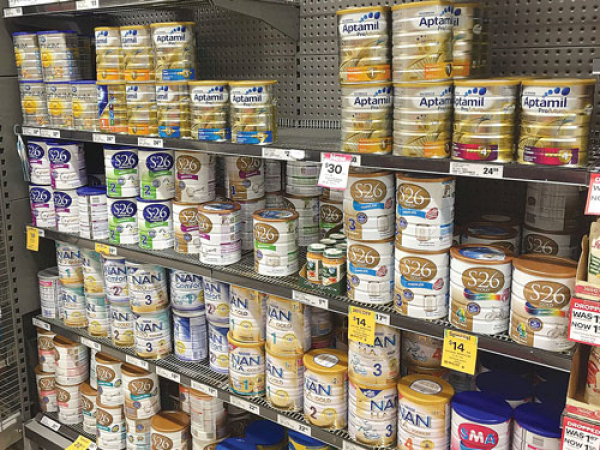 Restrictions on the marketing of infant formula in Australia have been extended until 2024.
Restrictions on marketing infant formula in Australia have been extended for another three years.
The Australian Competition and Consumer Commission (ACCC) has reauthorised the agreement that bans direct public marketing of infant formula.
In New Zealand, the Ministry of Health prohibits marketing of infant formula for babies under 6 months.
The ACCC says it has accepted the Marketing in Australia of Infant Formula: Manufacturers and Importers Agreement (MAIF) to stay until the July 31 2024, to maintain restrictions on the promotion of breastmilk substitutes.
ACCC deputy chair Delia Rickard said the ban has significant public health benefits through protecting the rate of breastfeeding.
"Without this agreement among infant formua manufacturers and importers there is a risk of an increase in the marketing of infant formula, both directly to consumers and indirectly through references to infants in the marketing of toddler milk," said Rickard.
The ACCC has ongoing concerns the marketing of toddler milk products undermines the effectiveness of the agreement. Issues with advertising complaints are also present because of timeliness and transparency for how they are handled under the agreement.
Speculation of a possible joint move by Fonterra and a2 Milk to buy Synlait raises a much bigger strategic question, says agribusiness expert Dr Nic Lees.

OPINION: Media reports say global recalls tied to cereulide toxin contamination in milk-based nutrition brands could inflict combined financial losses exceeding $1 billion.
OPINION: As soon as RNZ realised MP Andrew Hoggard's sister worked for Dairy Companies Association of NZ (DCANZ) and was, shock horror, lobbying government on behalf of its members, it wasted no time accusing him of not managing conflicts of interests.
Manufacturers of infant formula are largely supportive of a proposed new domestic labelling standard for their products.
Australian supermarket giant Coles has been given the green light by the competition watchdog to buy two milk processing plants.


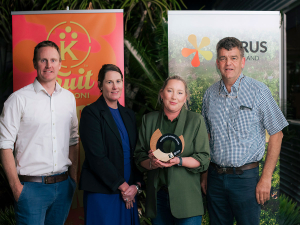
New Zealand's citrus growers were challenged to build their future on the value embedded in their fruit rather than the volume they produce, at Citrus New Zealand's annual gathering in Gisborne on 17 September.
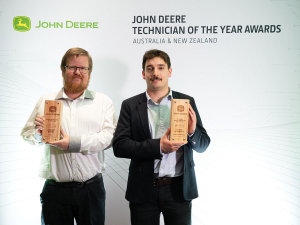
Leading John Deere technicians and apprentices from New Zealand and Australians were recognised at the recent sixth annual JD Technician of the Year Awards, held in Brisbane.
In Dacre, near Invercargill in New Zealand’s South Island, Bruce Dinnington is running a dairy operation unlike any other.
A free online platform aggregating governance vacancies across rural and regional New Zealand has been launched.
Environment Minister Nicola Grigg has announced details of a new rural plastics recycling scheme.
Agricultural drone operators say that a government decision to allow lower-risk drone work without certification won’t lower standards but drive innovation and efficiency.