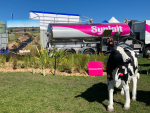
What Would Synlait Be Worth to Fonterra or a2 Milk?
Speculation of a possible joint move by Fonterra and a2 Milk to buy Synlait raises a much bigger strategic question, says agribusiness expert Dr Nic Lees.
 increase font size
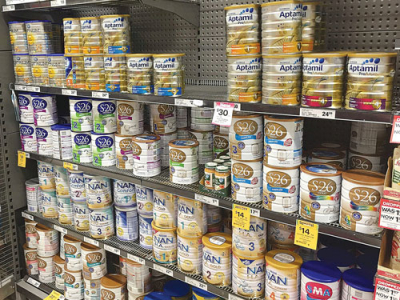
The infant formula industry has acted “with great responsibility and integrity” by revising its marketing code of practice, says the Infant Nutrition Council (INC) chief executive Jan Carey.
The Code of Practice for Marketing of Infant Formula in New Zealand restricts the advertising and marketing of infant formula products for children up to 12 months of age.
It was revised after INC applied to the Commerce Commission to extend the restriction that applied to products for children up to six months old.
The INC represents most infant formula.
Carey says they sought the restriction because they believed the improved health outcomes that would flow from it would outweigh the detriments arising from the lessening of competition between formula makers.
“We recognised the importance of aligning the marketing practices of infant formula that is the sole source of nutrition for infants up to six months with breast milk substitutes for infants up to the age of 12 months.
“The commission agreed, and their decision underlined exactly what the industry is trying to do – put the health of babies and mothers first.
“The industry has acted, in my view, with great responsibility and integrity by revising the code.
“Our stance is supported by many public health bodies. It aligns with recent guidance from the World Health Assembly and is consistent with the Ministry of Health’s nutrition guidelines for infants.”
The revised code was launched at Parliament on April 30 by Health Minister David Clark and Minister for Food Safety Damien O’Connor.
Speculation of a possible joint move by Fonterra and a2 Milk to buy Synlait raises a much bigger strategic question, says agribusiness expert Dr Nic Lees.

OPINION: Media reports say global recalls tied to cereulide toxin contamination in milk-based nutrition brands could inflict combined financial losses exceeding $1 billion.
OPINION: As soon as RNZ realised MP Andrew Hoggard's sister worked for Dairy Companies Association of NZ (DCANZ) and was, shock horror, lobbying government on behalf of its members, it wasted no time accusing him of not managing conflicts of interests.
Manufacturers of infant formula are largely supportive of a proposed new domestic labelling standard for their products.
A trans-Tasman battle is brewing over a proposal to introduce changes to packaging and labelling regulations for infant formula.


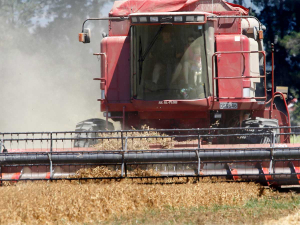
Mid Canterbury Federated Farmers arable chair, Bevan Lill, said Beef + Lamb NZ data indicated that for the last six years, the average arable return on investment was about 0.8% while inflation ran about 4% - so the average arable farm was going backwards at about 3% a year.

Seed and grain companies share the concerns of arable farmers about the viability of their sector, says Seed and Grain New Zealand chief executive Dr Sarah Clark.
The New Zealand Institute of Forestry (NZIF) says unnecessary changes to New Zealand’s Emissions Trading Scheme (NZ ETS) will seriously erode investor confidence and result in significant reductions in forest planting rates.
For the first time in a quarter of a century, Federated Farmers has something positive to say about the Labour Party’s climate change policy leading into a general election.
A warning for New Zealand seed and grain companies – be prepared for an exodus of farmers from the arable sector.
Now in its fourth year, the 2026 Fencing Industry Awards, formed part of the proceedings of the FCANZ Conference, held in Nelson during August.