M.I.A.
OPINION: The previous government spent too much during the Covid-19 pandemic, despite warnings from officials, according to a briefing released by the Treasury.
 increase font size
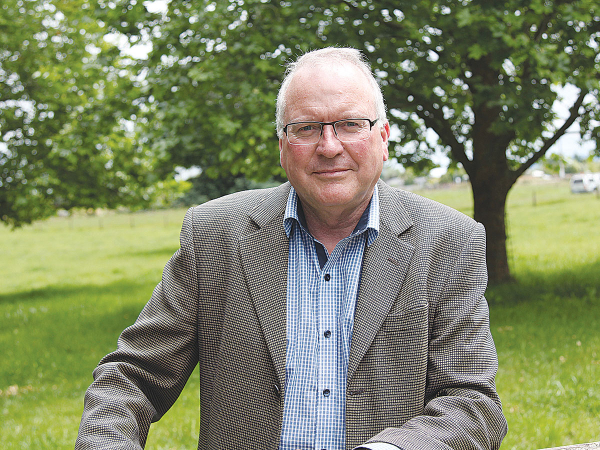 Ruakura Technologies chief executive officer Dr Steve Hodgkinson claims the product is positioned to meet a market need for science-backed immune support.
Hamilton-based Ruakura Technologies is developing a dairy-based natural product that it says has the potential to offer immediate short-term immune support against the virus causing Covid-19 disease.
The eventual product is intended to safeguard people in high-risk situations including events, frontline work, or during mass transportation such as on trains or flights.
Still in the early stages of development, a technical breakthrough captured as a provisional patent filing, means the product is getting ready for on-farm pilot-scale production of the immune milk-based active ingredient using selected animals.
Chief executive officer Dr Steve Hodgkinson says the product is positioned to meet a market need for science-backed immune support, particularlyy relevant considering the current pandemic.
"Beyong vaccines, PPE and social distancing, there are few options available for people wanting to reduce their personal risk of contracting Covid-19. We are working towards a product that can provide science-backed immune support," says Hodgkinson.
The science mimics nature in much the same way that a mother's milk protects the newborn.
The recent breakthrough, made in collaboration the University of Waikato, has centred around the design of coronavirus antigens that induce antibodies in ruminant milk that block virus binding to the receptor that allows entry to human cells.
The product is intended for immediate, short-term protection, so users would take a productive dose when entering a high-risk situation and receive protection for 3-4 hours. The product is different to a vaccine, which is slower to act, but provides longer term protection.
Hodgkinson says the freedom that the product could provide consumers is exciting, especially with so many Kiwis currently facing alert level restrictions. With the proof-of-concept phase complete, the time to market for the final product, which will likely be taken as an oral supplement or nasal spray, should be relatively short.
Hodgkinson says the potential application of the technology extend well beyond the current pandemic, with opportunities to provide immune support against other pathogens, such as norovirus, which regularly sweeps through close-quartered environments like cruise ships and retirement villages.
Notably, the research has been self-funded to date via a loan from Callaghan Innovation. Hodgkinson says, "we are looking for funders and partners who can help us move into pilot-scale production and launch a product next year".
OPINION: The previous government spent too much during the Covid-19 pandemic, despite warnings from officials, according to a briefing released by the Treasury.
OPINION: Labour leader Chris 'Chippy' Hipkins is carrying on the world-class gaslighting of the nation that he and his cohorts started after their disastrous Covid response; now trying to undermine the Covid inquiry to protect his own backside.
OPINION: Did former PM Jacinda Ardern get fawning reviews for her book?
OPINION: Welcome to the second annual NZ Dairy Expo at Matamata – an event created to bring together the best of the New Zealand dairy industry in a focused, grassroots environment where dairy farmers and rural professionals can meet, talk, compare products, and make smart decisions for their farms.
It's a bloody tough year for sheep farmers, but the worst may be over, and the future looks optimistic.


A major move is about to get underway to improve the quality and viability of dairy beef and cattle in NZ.
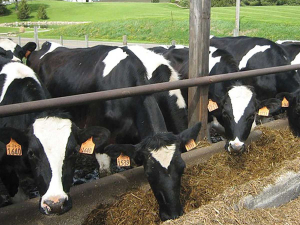
Veterinarians say changes to the code of welfare for dairy cattle provides a positive foundation for improved cattle welfare across the country.
Today, 15 October, is the International Day of Rural Women, which recognises rural women’s contribution to farming, communities and the environment.
Global dairy giant Lactalis has integrated its Australian operations with the Mainland Dairy consumer business it acquired from Fonterra earlier this year.
After almost two decades of sharemilking, saving and building equity, Aaron and Marcia Flay this year realised their long-held dream of settling on their first dairy farm.
Good medium to long term prospects for NZ beef, especially in the US, has heighted the focus on various initiatives to capitalise on this situation.